The Rowdies pair the USL’s best goal and expected goal differences with defensive flexibility and multiple scoring options.
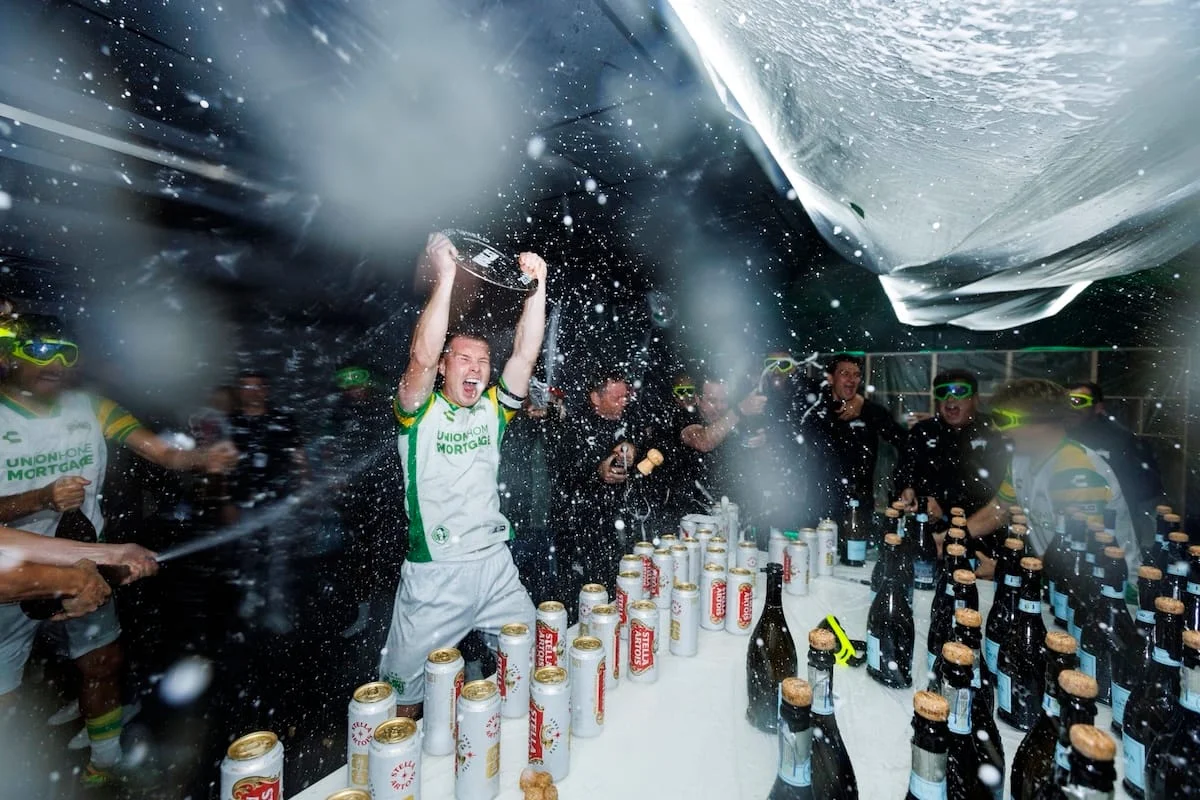
A strong regular-season profile
The Tampa Bay Rowdies look equipped to turn regular-season strength into a deep USL Championship playoff run. They led the league with a +26 goal difference and a +22 expected goal difference, two measures that point to more than a string of narrow wins or a run of favorable finishing. The gap between goals scored and conceded captures what happened on the field; expected goal difference offers a separate view of the chances created and allowed. Neither measure guarantees postseason success, but together they suggest Tampa Bay's performance had a sound basis.
That distinction matters when teams reach knockout games. A club can post a strong record through one dependable route, such as outscoring opponents in open matches, and then struggle when a rival disrupts that pattern. Tampa Bay's profile appears less fragile: the source describes a team with defensive discipline and several ways to score. That gives it options when a match changes shape, though it doesn't tell us how the Rowdies will respond to every possible opponent or game state.
This is more significant than it looks. A favorable goal difference is useful, but the combination with a similarly strong expected goal difference makes the case for Tampa Bay less dependent on the final scoreline alone. Expected goals are estimates, not a record of goals that should have counted, and they can't settle a match. Still, they can help distinguish sustained chance quality from outcomes that may be harder to reproduce.
Different ways to control a match
The Rowdies can defend in a compact block or press aggressively. Those approaches ask different things of a team: a compact shape aims to restrict space and make opponents work for openings, while a press seeks to challenge the opponent earlier and can create chances from disrupted possession. Having both available gives Tampa Bay a tactical choice. It can adjust its approach to the demands of a match instead of relying on one fixed identity.
Flexibility only helps if players can carry it out under pressure. A press can expose space if the first challenge is beaten, while a deep defensive shape may invite sustained attacks and leave fewer immediate chances to score. Switching between the two also requires coordination; one player's decision to step forward can leave a gap if teammates don't move with them. The source identifies Tampa Bay's capacity to use both approaches, but the postseason will test how effectively it can choose between them and execute the choice.
And yet, tactical range isn't the same as control. A team can have several plans and still be forced into an uncomfortable match by an opponent's pace, pressure or ability to defend. The useful question is whether Tampa Bay can make its strengths matter when its preferred rhythm isn't available.
Scoring threats and the postseason test
MD Myers, Russell Cicerone and Evan Conway give the Rowdies multiple scoring threats. That matters because an attack built around one source of goals can become easier for an opponent to target. With several players capable of contributing, Tampa Bay has more than one potential route to a decisive moment. The source doesn't assign particular roles or describe how the three combine, so the names alone shouldn't be treated as proof of a specific tactical pattern.
What they do support is a broader point: a team with several scoring options may be better placed to cope when a match closes down. Playoff opponents have a clear incentive to limit the most dangerous routes to goal, and knockout football can make patience as important as attacking ambition. A side may need to create from a different area, take advantage of a transition or keep probing after its first approach is contained. Tampa Bay's listed threats give it personnel to draw on, but converting that depth into goals remains the hard part.
For a team built to score in more than one way, the challenge is to avoid turning variety into indecision. Players need to recognize when to press an opening and when to keep the ball moving. The margin can be thin. A good chance that isn't finished won't show up as a goal in the result, even if the process that created it was sound.
Why the bracket can change the story
The USL Championship postseason puts 16 clubs in a competition where one poor performance can end a season. That structure rewards teams able to handle immediate pressure, and it leaves less room to recover from a bad night than a long league schedule does. Regular-season form still matters: it offers evidence about a team's quality and consistency. But the number of matches in a playoff run is limited, so a season's broader record can't prevent a single result from deciding what comes next.
The source points to two of the past three years in which the Players’ Shield winner went out in the first round. That's a pointed reminder of the gap between league dominance and postseason survival. It doesn't establish a rule that top teams are especially vulnerable, and it can't predict Tampa Bay's result. It does show why the Rowdies shouldn't mistake a strong regular season for protection from an upset.
Historically, strong form and a clear defensive identity have helped teams advance. Those traits give a club a platform, but opponents also get a chance to test that platform directly. A defense that has been consistent across the season may face a different kind of pressure in a winner-take-all game, while an attack that generated quality chances may find fewer spaces against a cautious rival. The postseason doesn't erase the regular season's evidence; it asks whether that evidence holds up in a sharper, less forgiving setting.
Here's the thing: the appeal of a 16-team field is also its source of uncertainty. Tampa Bay enters among the favorites, but that standing says more about its starting position than its eventual finish. Other clubs have their own paths to the title, and the bracket can bring different styles and challenges into view. (And this is the part most people overlook: a strong team still has to solve the particular opponent in front of it, rather than the general idea of a playoff opponent.)
What the outlook means for Tampa Bay
If you're working in this space, Tampa Bay's numbers offer a useful starting point for evaluating its chances, not a forecast of how the bracket will unfold. The positive goal difference, the expected goal profile, the defensive options and the named scoring threats all support the case that the Rowdies are well equipped. The remaining question is whether those advantages will travel from a full season into knockout matches where the next result carries unusual weight.
That said, the profile has a practical weakness shared by every contender: it depends on execution when there is little time to recover. Tactical flexibility has to produce clear decisions. Scoring depth has to produce goals. Defensive discipline has to survive the moments when an opponent finds room to attack. A team can satisfy all three demands over a season and still fall short in a single elimination game.
So Tampa Bay's position is strong, but not settled. The team has credible reasons to expect a deep run, and the evidence described here is broader than one headline statistic. It also has to prove that its different ways to defend and score can withstand the specific pressure of the postseason. One match at a time.
Discussion
Sign in to join the discussion.