The USMNT's recent World Cup performance highlights significant gaps in player development, particularly in key positions, raising concerns for the future.
The Current State of USMNT and its Future Challenges
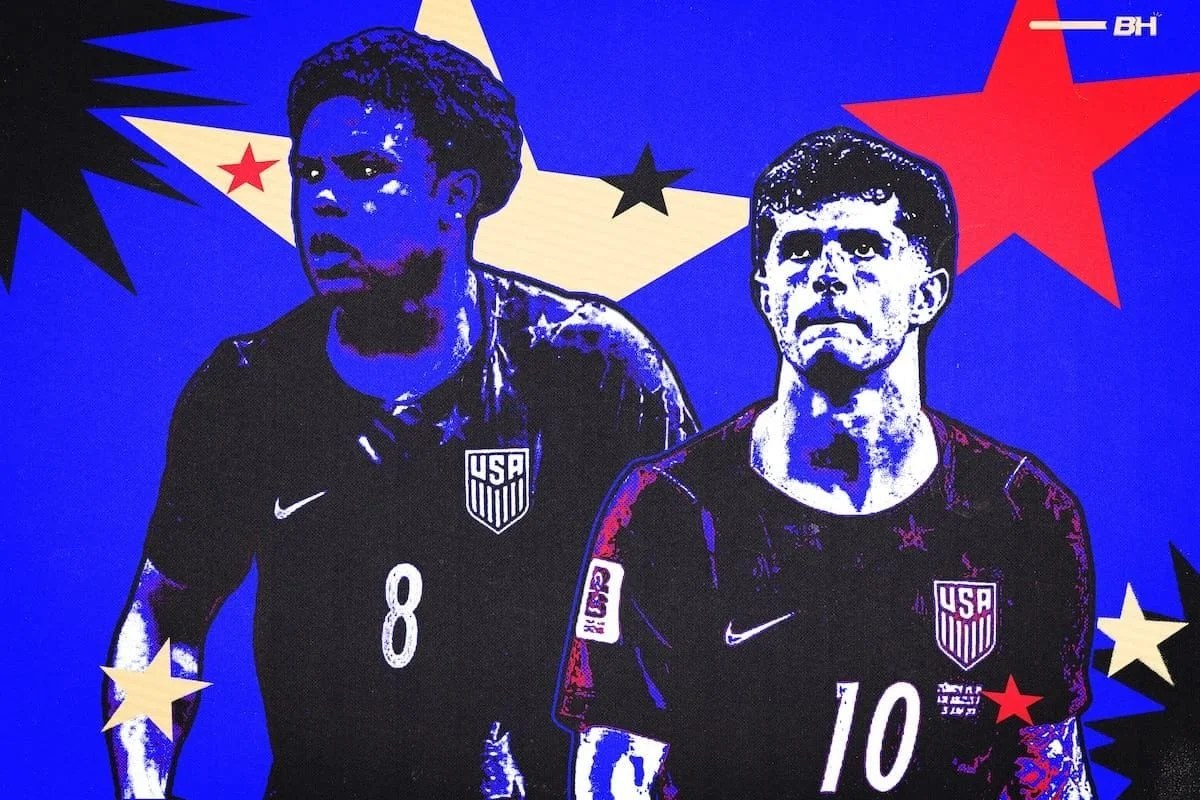
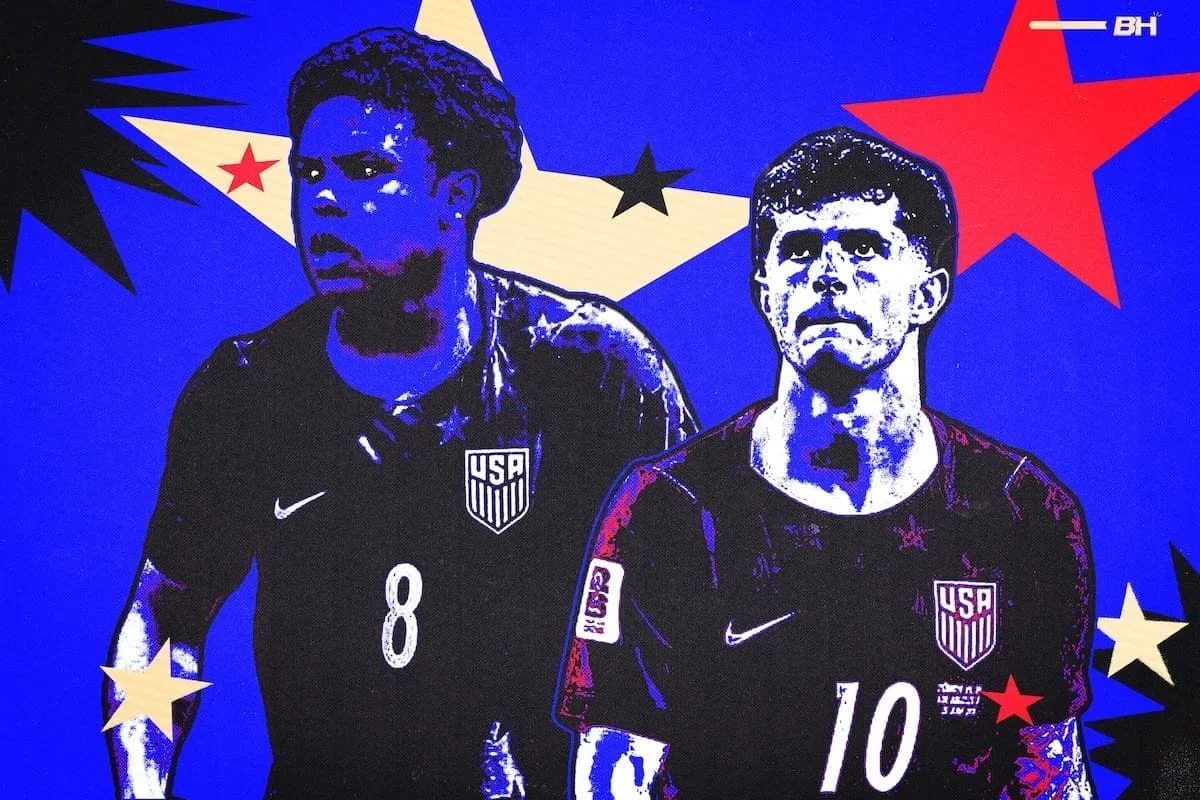
The U.S. men's national team's latest World Cup outcome has put a spotlight on the significant shortcomings in its player development system. This tournament not only reflected the team's present struggles but also underscored the absence of critical talent in the pipeline that could help the team improve in future competitions. Fans and analysts alike expected more, considering the investment made in youth development programs over the past decade. Yet, the lack of progress is palpable.
During the tournament, the team's weaknesses were magnified. Opponents exploited vulnerabilities that should have been addressed years prior. It's a reflection of years of inconsistent coaching and an inability to identify and cultivate talent effectively. As soccer’s competitive nature continues to evolve rapidly globally, this gap raises serious questions about where American soccer is headed.
The Vulnerabilities in Defense
While the squad's defense appeared competent at first glance, it faltered under pressure, particularly during transitions. Veterans like Tim Ream showed signs of age, and Chris Richards, despite some promise, was unable to effectively track opposing players or make timely decisions. Watching those moments unfold was frustrating. The double-edged sword of relying on experienced players is that it often leaves teams at the mercy of age-related decline, while young talents fail to step up. This scarcity of reliable central defenders prompted a continued reliance on these two, revealing a troubling gap in the next generation of players poised to step up.
What this means for you, the observer of U.S. soccer, is that it's not just about the current World Cup cycle; it's an indicator of something much deeper. The inability to nurture young talents who can fill these critical roles raises doubts about the strategic framework currently in place. This trend is particularly concerning given the defense is typically the cornerstone upon which successful teams are built. The old adage, “defense wins championships," rings true, and the U.S. seems to be letting this wisdom slip away.
Goalkeeping Woes: A Historic Decline
This issue isn't just limited to defense; the goalkeeper position also faces challenges. Although Matt Freese had minimal exposure during the tournament, his presence alone raised questions about the current caliber of U.S. goalkeepers compared to past teams. Once, the program boasted several Premier League-level keepers, establishing a legacy of excellence. The steady decline in talent within this position suggests a worrying trend in overall development.
Years of inadequate scouting and development practices have left a vacuum in goalkeeping prowess. If you look back at the great U.S. keepers like Brad Friedel or Tim Howard, it’s jarring to compare their capabilities with the current crop. A goalkeeper isn't just a last line of defense; they often serve as a leader on the field, making crucial decisions that can flip the momentum of a game. Watch any successful team, and you'll notice how much their goalkeeper contributes strategically. The question arises: where are these future leaders?
Identifying Gaps in Player Types
So, where exactly does U.S. soccer falter in its player development? The gaps are noticeable even in traditionally strong areas. The goalkeeper position, once a bastion for the USMNT, is now a concern, with the lack of elite talent in recent years. The regression of this position stands in stark contrast to the underwhelming elevation of other roles, highlighting a systemic issue that needs urgent attention if the U.S. aims to achieve greater success on the world stage.
One might argue that while other countries build a pipeline of versatile players who can adapt to various formations and styles, the U.S. has settled into a one-dimensional approach that lacks diversity. Instead of crafting well-rounded athletes who thrive under pressure, American youth soccer tends to focus on physical attributes over tactical intelligence. This presents an obstacle for coaches who struggle to adapt traditional systems to a changing game. Without evolving player profiles, the U.S. remains susceptible to being outplayed on an intellectual level.
Looking Ahead: Implications for US Soccer
As we look ahead, the implications of the U.S. men’s national team’s recent shortcomings go well beyond the pitch. The dwindling influx of ready-to-play talent suggests a potential crisis in terms of grassroots investment and coaching methodologies. Are soccer academies providing the necessary tools and environments for young players to thrive? If you're working in this space, you’ll know that training philosophies must evolve alongside the game itself. Innovation in coaching, talent identification, and player development can't be understated.
This is more significant than it looks. The pervasive gaps in player development not only jeopardize the national team’s performance in international tournaments but also impact the popularity of soccer across the country. While sports like basketball and football may still take precedence, the U.S. soccer program needs to act fast to maintain relevance. Consider that a thriving national team can spur interest at the youth level, driving new investments into development programs. The cycle goes both ways, and the time to act is now.
In the end, soccer is not merely about athleticism; it’s also about strategy, development, and community engagement. U.S. soccer's future hangs in the balance, and the next steps taken in talent development and scouting will determine whether this is a moment of reflection or the beginning of a transformative saga. And this is the part most people overlook.

Discussion
Sign in to join the discussion.