The USMNT’s World Cup elimination reveals a talent gap and lessons for future success amid high hopes and disappointing outcomes.
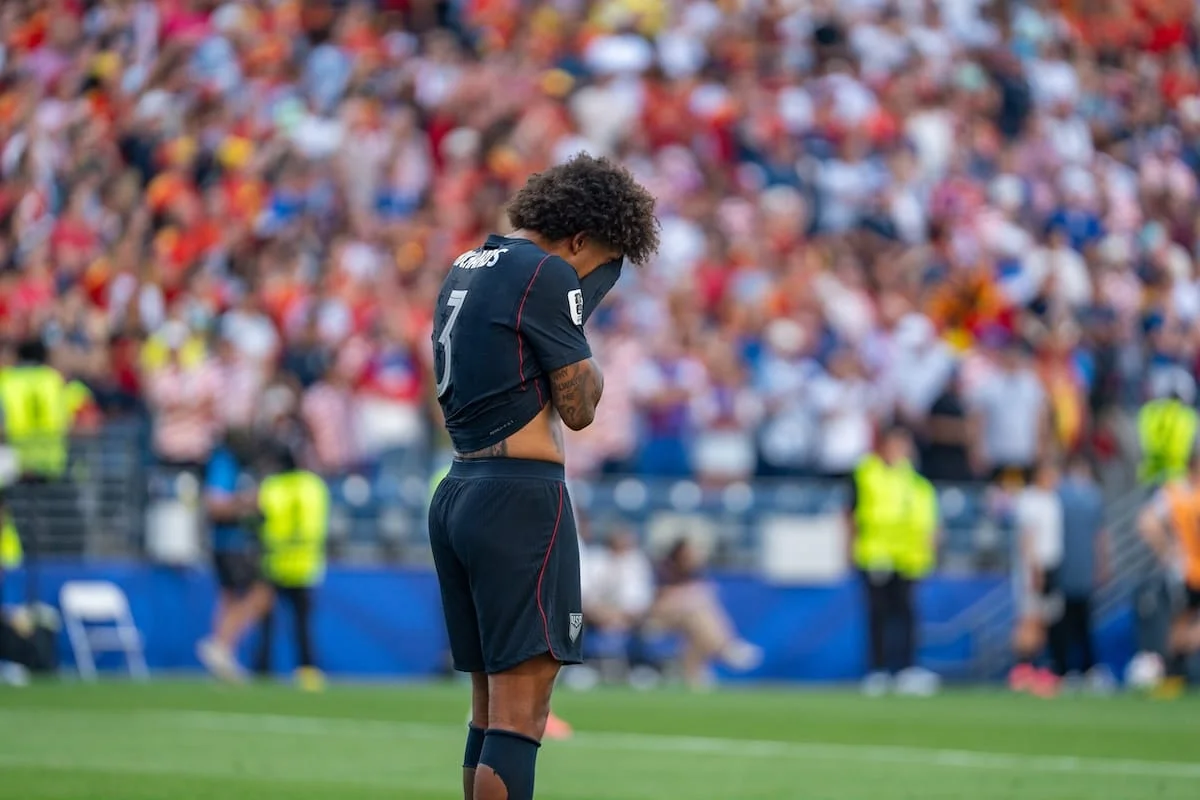
SEATTLE – The recent ousting of the U.S. Men's National Team (USMNT) from the World Cup is a significant moment that underscores a missed chance for success.
The Importance of Hosting
Hosting the prestigious tournament for the second time was expected to propel the team past the Round of 16, especially with the benefit of home ground support. In fact, historical precedents suggest that teams often perform better when they enjoy the comforts of familiar turf and enthusiastic local fans. Enthusiasm soared as the tournament unfolded in Seattle, a city with a rich soccer culture and a strong showing from the USMNT in the lead-up. Seattle has long been recognized for its passionate soccer fan base, bolstered by the success of the Seattle Sounders FC, which has served to elevate the profile of the sport in the region.
Building Anticipation: A Solid Pre-Tournament Performance
Impressive wins against teams like Paraguay, Australia, and Bosnia and Herzegovina had fans excited, creating a belief that the squad was reaching its peak just in time. The victories fostered an optimistic expectation that this World Cup could be their breakout moment. Facing a formidable opponent like Belgium, then ranked ninth in the world, many thought the USMNT could finally make that leap forward. But those pre-tournament victories, while encouraging, were ultimately a surface-level reflection of the team’s potential. They didn't quite mask the underlying issues that would soon emerge.
A Disappointing Reality Check
However, the harsh reality was laid bare in a disheartening 4-1 defeat that highlighted the team’s shortcomings. The match against Belgium showcased both the potential and the limitations of the USMNT. Despite flashes of capability, it became evident that the roster still lacks the depth needed for a serious run in such a competitive tournament. The defeat raises essential questions about the team’s long-term viability on the international stage. This isn’t just a matter of poor performance in one game; it’s a reflection of systemic issues that have plagued the program for years, including youth development and competitive opportunities that align with top-tier international soccer.
Mixed Signals: Progress Amidst Disappointment
The end of the USMNT’s campaign for the 2026 World Cup not only left fans disappointed but also obscured some of the progress shown in their gameplay, such as improved on-ball fluidity and a solid defensive presence. This contradiction speaks volumes about the complexities of sports where results don’t always tell the full story. Recent strategies have indeed led to a more cohesive playing style, yet the underlying talent pool seems unable to sustain that momentum. A revitalised attacking formation may have shown promise, but if you watched the game against Belgium, it was clear that more was needed, especially against high-level competition.
A Player Perspective
“If we lose to Bosnia, it’s obviously a big disappointment. And then if we win today, it’s probably a very, very big achievement. So it felt like we almost did what was expected,” reflected Gio Reyna following the exit. This statement captures a broader sentiment within the squad: the recognition of both the potential and the limitations they faced heading into this World Cup. While Reyna expressed a nuanced understanding of expectations, one can’t help but wonder if those self-imposed benchmarks are part of a cycle that needs disruption. Team morale remains an essential component of success, yet players must also confront the structural issues that inevitably shape outcomes at this level.
Looking Ahead: Implications for the Future
What this means for you, the reader, is that the issues facing the USMNT are not simply going to rectify themselves. For those working in this space—whether as analysts, former players, or coaches—the pathway to international success requires serious introspection and reform. There’s still a great deal of work to be done to enhance the U.S. player pool, youth training programs, and scouting networks. In essence, the player pipeline needs strengthening to create talent capable of competing at elite levels.
As the team lays the groundwork for the next World Cup, which the U.S. will co-host with Canada and Mexico, there's an opportunity to reassess tactical approaches, training methodologies, and player development. This pivotal moment could make or break the next chapter for US Soccer, and the stakes couldn't be higher. A simple question remains: Will the USMNT own this reality, or will they let another opportunity slip through the cracks?

Discussion
Sign in to join the discussion.