The USMNT's disappointing World Cup performance raises questions about the future, sparking interest in the potential for new talent development.
Shifting Perspectives on USMNT
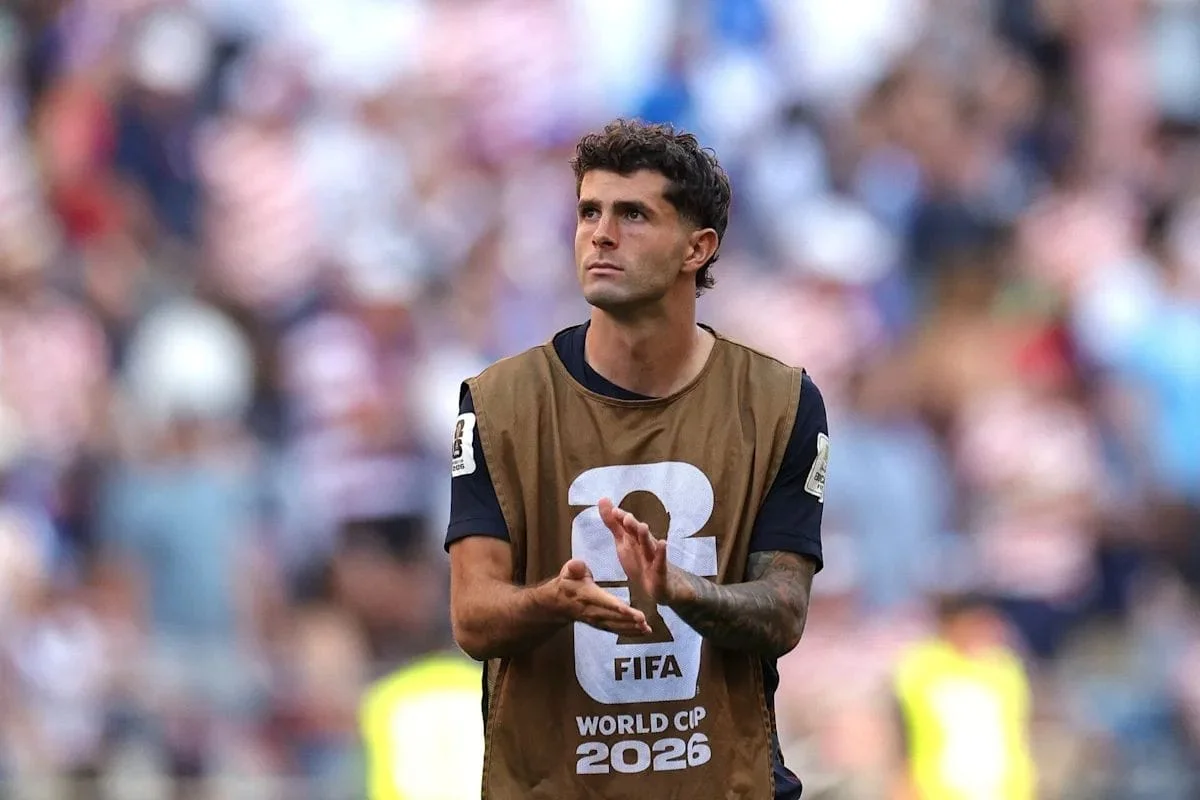
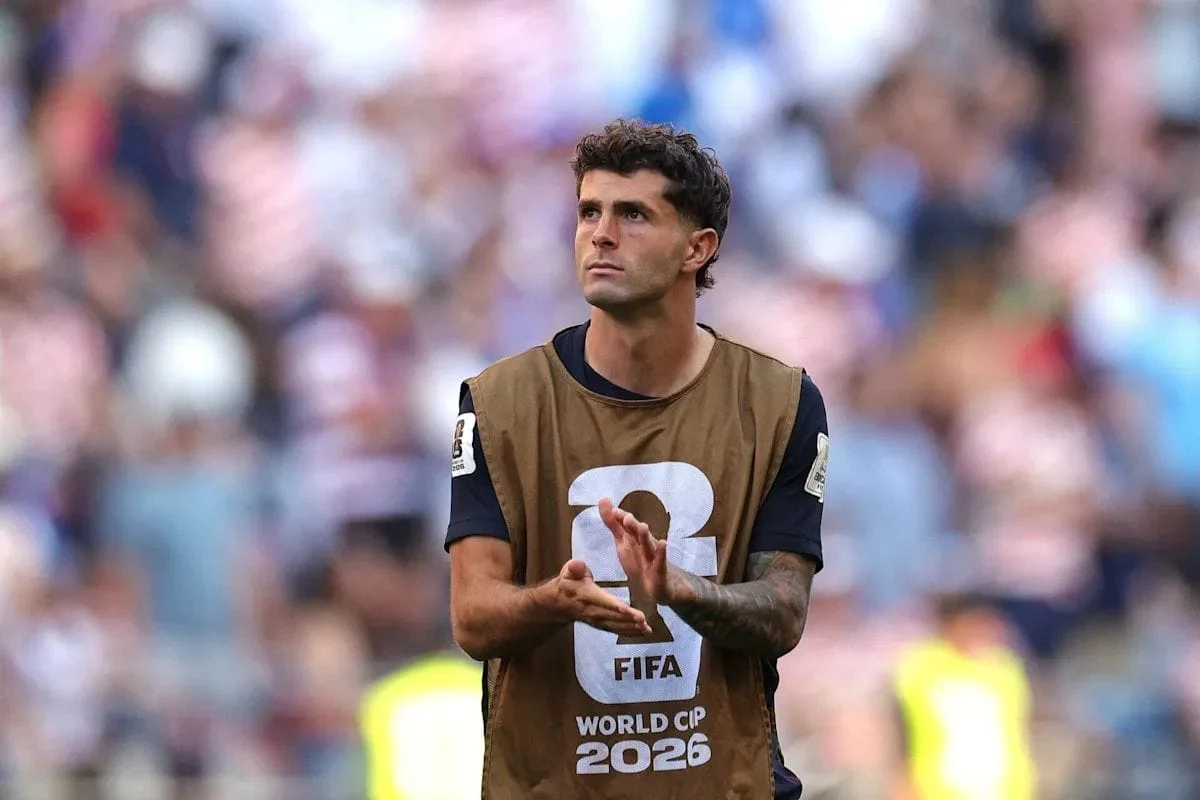
After a heart-wrenching exit from the World Cup, fans are confronting a new reality. The future of the United States men’s national team (USMNT) is clouded with uncertainty. This disheartening loss—especially after multiple discussions surrounding player potential—leaves fans reflecting on what went wrong. For many, the disappointment runs deep, given the high expectations surrounding a young, talented squad that had been groomed for success in international soccer.
Historically, the USMNT has faced ups and downs, but this exit feels particularly stinging due to the optimism built around the roster. Analysts and fans alike had heralded players like Christian Pulisic, Weston McKennie, and Tyler Adams as part of a new generation capable of making a significant mark on the world stage. Yet, this departure from the tournament raises questions not only about the players' current form but also the broader strategy that guides the team. Moving forward, how the program recalibrates its vision and prepares for future competitions will be under intense scrutiny.
Aging Core and Missed Opportunities
With the next World Cup set for 2030, key players will be aging significantly. Christian Pulisic, Weston McKennie, and Tyler Adams will all be 31, while Antonee Robinson will reach 32 and Tim Weah will hit 30. Historically, this is the stage where athletes start to see a decline in their physical capabilities. The gritty reality here is that athletic peak often coincides with the earlier stages of competitive events. If these players continue to be essential figures for the team, the pressure will mount to maximize their contributions before age becomes a limiting factor.
This reality isn't a call for panic, but rather a strategic reevaluation. A Round of 16 exit is disappointing—particularly against the backdrop of high hopes—but it also provides a unique moment to reassess the roster. The current team, while filled with promise, isn't backed by a solid next generation that can step in seamlessly. This leaves the program at a pivotal crossroads; it needs a reset, not a complete overhaul akin to the dramatic changes after the team’s failure to qualify in 2018. It requires a constructive course correction that emphasizes both experience and emerging talent.
The Road Ahead
This period of uncertainty could ignite a fresh wave of talent in the USMNT. With no clear path defined, there's potential for the program to harness youth development more effectively and fill the existing gaps in its talent pipeline. The growth of soccer in America has been swift, with an increasing number of young athletes discovering pathways to professional play. These players, if properly integrated into the national team setup, could pave the way for a more competitive future.
Soccer culture in the U.S. has changed dramatically in recent years. More children are participating in the sport, and youth academies are nurturing talent at an unprecedented rate. What this means for you, if you're working in this space, is that the landscape for scouting and player development is rich with potential. And yet, harnessing that potential effectively remains the true challenge. The development of younger players must be matched by an equally strategic approach to integrating them into the senior team environment.
In fact, many fans overlook a critical issue: the lack of competitive experience among these younger players on such a grand stage. Without a consistent progression from youth levels to senior competition, the national team risks stalling in its development. Identifying the right talent and ensuring they gain experience in top leagues and competitions is essential. The focus should be on cultivating teamwork, resilience, and skill refinement, all of which are key as they transition into their roles on the national team.
Implications and Future Outlook
The implications of this situation extend beyond immediate performance. For USMNT supporters, the psychological toll of this loss may mean a reevaluation of patience and expectations moving forward. Many will be asking how soon this young talent can mature and how quickly the team can transform from a collection of skills into a cohesive unit capable of competing on an international scale.
Looking ahead, it’s clear that the US Soccer Federation has critical decisions to make. They must balance the need for fresh talent with the wisdom amassed by veteran players. The right mix will be vital if the team hopes to cultivate the necessary depth and skill to challenge on the global stage. From player selections to coaching strategies, every decision will be scrutinized closely by fans eager for progress.
In the end, the exit from the World Cup isn’t just a moment of failure; it could be the catalyst for a brighter, more strategic approach to building a national team that truly reflects the richness of soccer talent in the United States. The clock is ticking, and how the USMNT manages this transitional phase could redefine its future ambitions. The goal isn't merely to participate in the World Cup; it's about establishing a program that aspires to win.

Discussion
Sign in to join the discussion.