Mauricio Pochettino's tenure as the USMNT coach faces scrutiny after a disappointing World Cup performance, but broader context is essential for evaluation.
Pochettino's Commitment
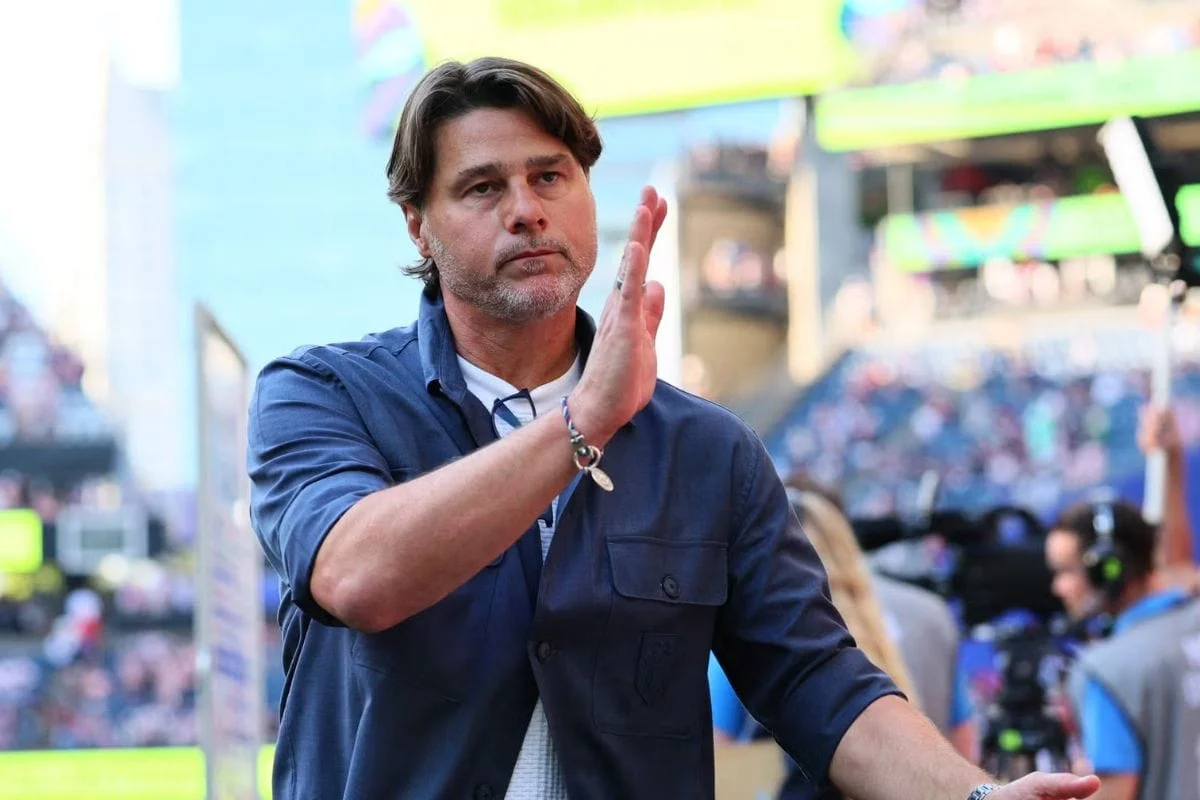
Mauricio Pochettino has confirmed his commitment to continue as head coach of the U.S. men’s national team, announcing plans to move forward despite criticism. His assertion comes after a disappointing exit in the World Cup’s Round of 16, causing many to question whether this extension is warranted. After years of anticipation and buildup to the tournament, this early exit struck a nerve with fans and officials alike.
The pressure on coaches in high-stakes tournaments is immense. Pochettino’s statement reflects a determination to steer the team through adversity. However, the rationale behind this decision is what stirs debate. Can one match's outcome, albeit a significant one, really define a coach's tenure? This isn’t just about the loss; it’s a larger conversation about expectations and timelines in international soccer.
Context of the World Cup Exit
It’s challenging to assess a coach's 22-month tenure based on one match, even if that match was particularly disappointing. High-stakes games often come with heightened pressure, and it’s not uncommon for teams to falter. It’s worth considering the U.S. team faced significant external pressures during the tournament. From media expectations to political overtones connected with Donald Trump’s involvement in soccer, factors outside the pitch weighed heavily on performance.
This scenario illustrates that the stakes are more complex than simply winning or losing. Consider the emotional investment from fans, which amplifies with every national team's appearance on a global stage. For many, this World Cup was a chance for redemption after years without significant success in the tournament. The longing for a competitive U.S. team is palpable, adding layers to an already challenging environment for Pochettino.
Broader Accountability Issues
Accountability for the recent failure cannot rest solely with the coach. It's essential to contextualize Pochettino’s leadership against the backdrop of the U.S. men’s national team's historical struggles. The team has faced years of underperformance, marked by a significant absence from the World Cup quarterfinals. This context suggests that finger-pointing isn't constructive; multiple factors feed into the team's global standing.
Moreover, the U.S. men’s national team lacks the competitive infrastructure that European teams enjoy. The absence of prestigious tournaments like the Euros or Copa America hinders regular high-level competition. These tournaments are vital development opportunties. Without them, the U.S. team can struggle to keep pace with teams that have long histories of competitive play. Pochettino can only work within this framework, making sweeping changes a daunting prospect.
Viewership and Interest in Soccer
Despite the disappointing result in the knockout stage, the spectacle pulled in a staggering 40 million viewers for the first U.S.-hosted Round of 16 match in over three decades. This remarkable statistic signals an increase in interest and investment in American soccer. It’s a shift that suggests a rising passion for the sport and points to an evolving narrative around U.S. soccer.
Such viewer numbers indicate solid potential for growth. Companies investing in soccer leagues and MLS teams are beginning to see returns. If you're working in this space, this is where you need to pay attention. The trajectory of soccer in the U.S. isn't as bleak as some critics might claim. People are watching, and they're getting invested. This growing enthusiasm is a crucial piece of the puzzle. It could influence future funding, sponsorship opportunities, and development initiatives aimed at improving the U.S. men's team.
Implications for Pochettino and the Future of U.S. Soccer
Moving forward, Pochettino's future—and by extension, the U.S. men's national team's—will depend significantly on how stakeholders respond to this World Cup exit. He’ll need to rally support not just from the federation and fans but also from players who look to their coach for both vision and direction. His commitment to the role signals continuity, which can be essential for long-term growth, but that commitment must be reciprocal, with all parties involved understanding the complexities ahead.
And yet, there’s a fine line when it comes to loyalty in professional sports. Should the U.S. national team continue to struggle in upcoming games or tournaments, that faith in Pochettino may erode. This brings us back to accountability: How will the head coach measure success in the months ahead? What systems need to be in place to ensure that U.S. soccer can rise to the occasion on future stages?
Ultimately, it's about rebuilding. The U.S. men's national team has a window of opportunity, especially with younger talent like those coming up through the ranks. This isn't a moment to retreat into pessimism but instead to examine how the team can learn from its setbacks. Pochettino’s ongoing commitment may function as a catalyst for revitalization, but that depends on the collective effort to nurture talent and establish a more competitive cultural backbone for American soccer.

Discussion
Sign in to join the discussion.