The 18-year-old New England winger earned his first senior USMNT call-up while staying focused on development before a future move to Europe.
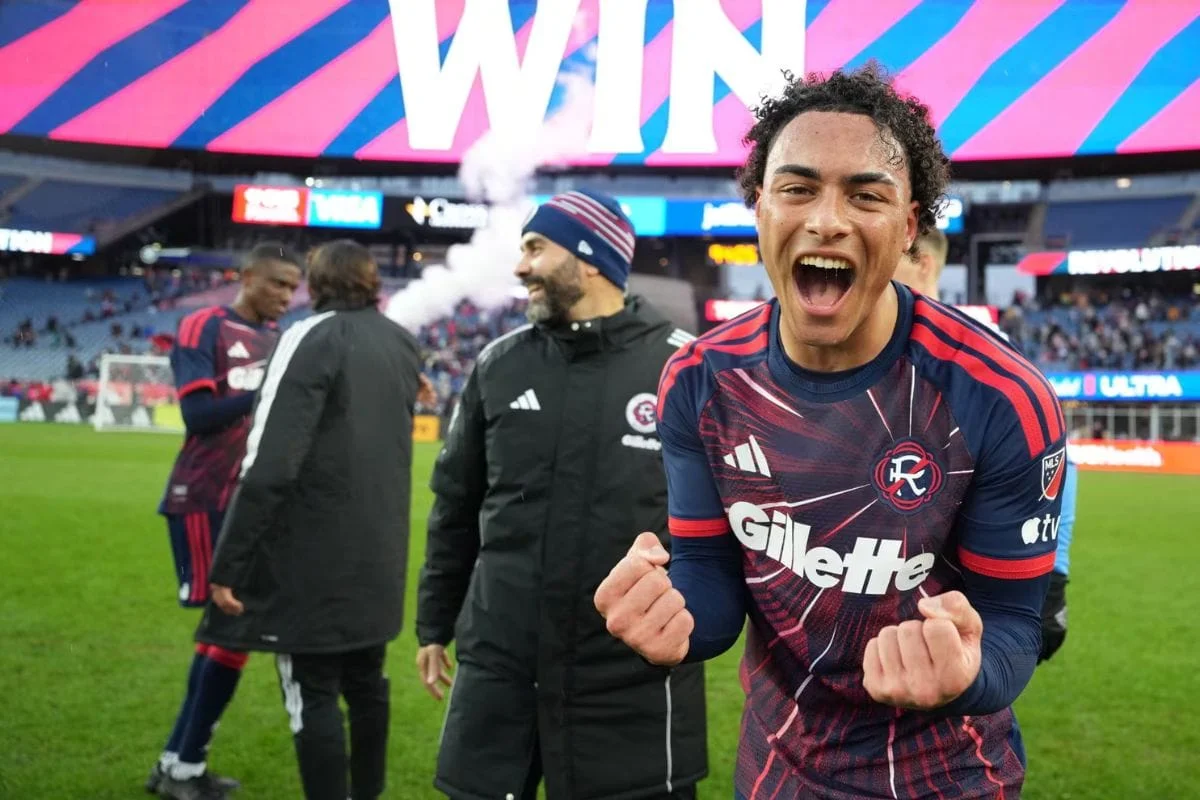
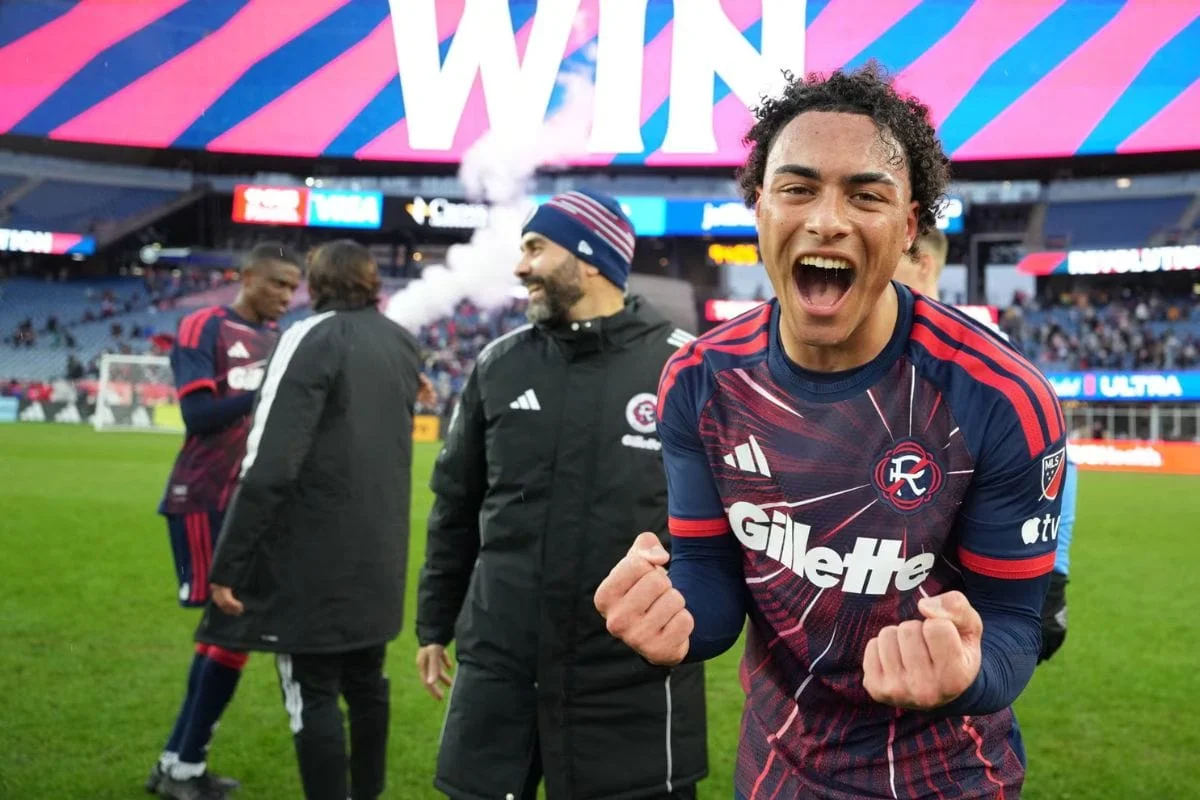
Peyton Miller’s first senior U.S. men’s national team call-up signals how quickly his path is opening. The New England Revolution teenager, who turns 19 on Sunday, now has a chance to learn inside the senior setup while still building his club career. He sees a future in Europe, but says New England remains the right place to grow for now. That distinction matters: a call-up can raise expectations, but it doesn’t settle what a player’s next step should be.
“I’m where I need to be, and Marko [Mitrovic] is the exact coach that I need to help me continue to develop,” Miller told Backheeled during the team’s stay in Minneapolis. “Eventually I do want to go [to Europe], but… I’ll know when that time’s right.” His answer leaves room for ambition without treating a move abroad as an immediate goal. Here’s the thing: a young player’s development depends on the work and opportunities in front of him, not just the destination he hopes to reach.
The fall international window was the first under a longer break introduced during the club season, and it brought Miller his first experience with the senior national team. He described the call-up as “an honor and a blessing,” adding that older players had taken him under their wing and that he was focused on learning each day. For a teenager, that kind of exposure can be valuable even when it doesn’t produce an instant change in status. The immediate test is whether he can absorb what he sees and carry that learning back into his daily work.
A patient path toward Europe
Miller grew up watching Manchester City and Madrid and now follows PSG. Those clubs help explain the scale of his ambition, but his comments don’t suggest he’s treating a famous destination as a deadline. The prospect of Europe is part of his long-term picture; New England is the setting where he believes he can continue developing right now.
“He’s very present,” Mitrovic told Backheeled, pointing to Miller’s work and pride in representing New England. The coach said Miller recognizes the club as a strong setting for continued development and believes a move will come when the moment is right. That assessment is encouraging, though it’s also a standard that has to be judged over time: a player needs meaningful opportunities to turn potential into progress.
Mitrovic’s view is that Miller already has what he needs to keep progressing in a good league. The next step, he said, will arrive in time; there’s no need to rush it. That restraint is sensible. A move can bring new challenges, but changing clubs by itself doesn’t guarantee the right conditions for growth.
This is more significant than it looks: Miller is describing a career built around readiness, not simply reach. If you’re working in this space, the useful question isn’t only which European club might eventually be interested; it’s whether his current role keeps giving him room to develop. The answer will depend on his progress and opportunities, not on the appeal of the idea of Europe.
Built through repetition
Miller’s rise began with a ball in a Connecticut condo. He dribbled through the family’s home and kicked against the wall until his parents took him to a field. Around age seven, he began training with his father after school and joining sessions with his older brother Logan’s team, whose players were four years older. The early pattern was simple: repeated practice, alongside players with more experience.
After the family moved to a house with a yard, Miller had space for a goal and cones. He started practicing with his father at 5:30 a.m. His early roles were attacking ones: a No. 10, then a winger, often playing two years above his age group. The details point to a long period of work before the national team call-up, rather than a sudden arrival. And yet, early effort alone doesn’t explain a career; the ability to respond when the demands change matters too.
At 13, Miller joined the Revolution academy. He moved away from home for its residency program shortly before turning 14. That was a significant transition at a young age, with football development now tied to living away from his family. The path also placed him in a club environment where coaches could assess his abilities and consider him for different roles.
When the U.S. youth national team needed a left-back, Rob Becerra—then Miller’s U-15 academy coach and now New England’s director of youth development—recommended him for the role, despite Miller never having played there before. It was a practical opportunity to test a new position, and the recommendation came from a coach who knew his academy work. The change also makes his progression harder to reduce to a single position or early reputation.
That willingness to adapt has helped carry Miller from the academy to the senior national team. It’s a useful thread through his story: first came repetition, then a willingness to learn unfamiliar responsibilities, and now an opportunity to learn around older senior players. A call-up is a milestone, not a verdict on what comes next. For now, his focus is on making the most of each step in New England. Europe can wait until his development points him there. One step at a time.
What the next step will show
Miller’s account offers a measured view of what a first senior call-up can mean. It gives him access to a higher level of experience and recognition, while leaving the day-to-day question of development unresolved. The call-up doesn’t, on its own, tell us how quickly he’ll progress or when a move abroad might make sense. Those judgments will have to follow his work and the opportunities he earns.
For New England, his stated commitment is a positive sign, but it also puts the club’s role in focus. A player who wants to grow where he is needs a setting that continues to challenge him and make room for progress. Mitrovic believes Miller has that setting. The next stretch of his career will offer a clearer test of that belief.


Discussion
Sign in to join the discussion.