The USMNT meets Haiti in a Nations League quarterfinal, with Pochettino balancing a return to form against the next wave of young talent.
Two tests for Pochettino’s reset
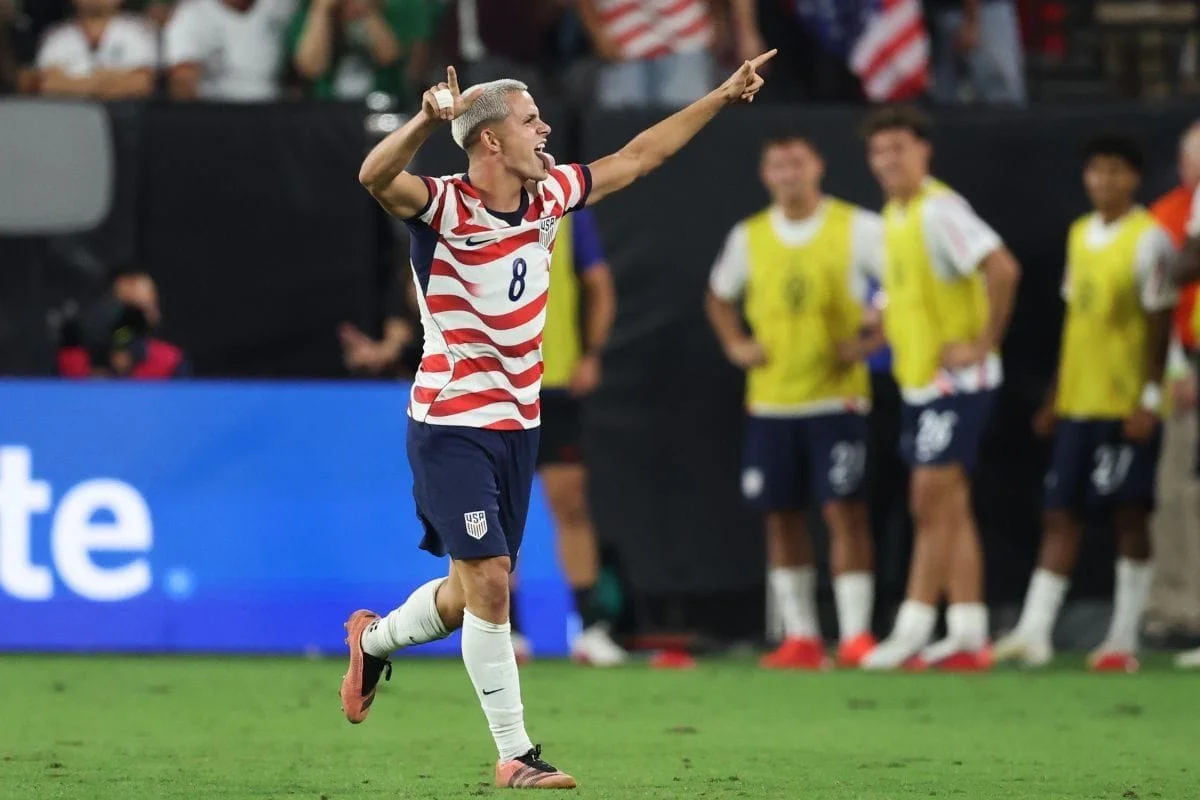
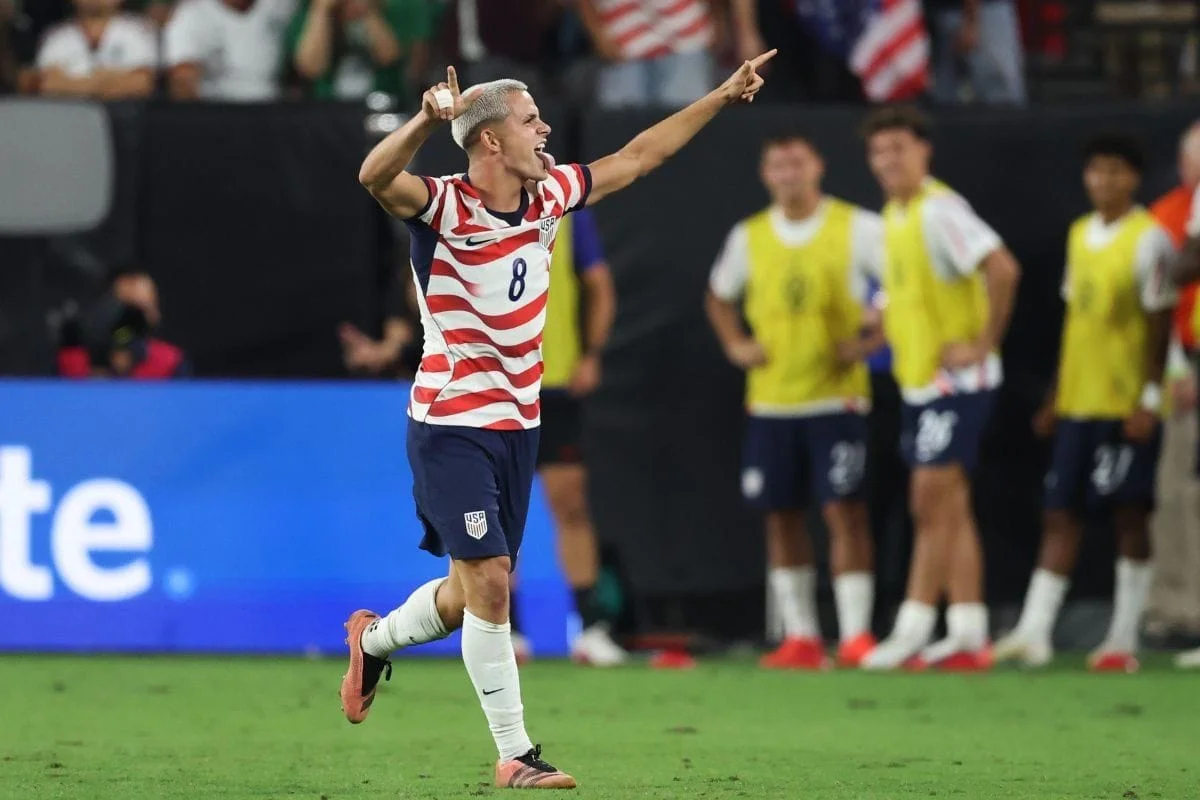
The USMNT’s November camp has two tests: get past Haiti in the Nations League quarterfinals and show that Mauricio Pochettino’s reset is taking hold. The first leg is set for November 14 at Nu Stadium in Miami, where Haiti will play because unrest and security concerns prevent the team from hosting at home. The return leg follows on November 17 at TQL Stadium in Cincinnati.
Those two matches make this more than a routine knockout assignment. The U.S. needs a result, but Pochettino also needs evidence that the group can carry an approach from camp into competition. A reset is hard to judge from isolated performances; the sharper measure is whether the team can stay organized and respond when a match becomes uncomfortable.
The stakes reach back to March 2025, when losses to Panama and Canada ended the U.S. run at the Nations League and prompted Pochettino to reassess the player pool and team culture. Haiti offers a chance to move toward the tournament’s final four, but the matchup has been closer than its billing might suggest.
That history gives the quarterfinal a useful tension. Advancing would address the immediate task, while the manner of doing it could say more about whether the team has absorbed the changes Pochettino wants. Here's the thing: a convincing performance and a narrow escape would both count in the standings, but they wouldn't tell the same story about the squad’s progress.
A competitive test, not a formality
Sanjay Sujanthakumar points to the narrow margins in the teams’ recent meetings: the U.S. won each of its last three encounters by just one goal, while the two before those ended in draws. Miami could add another complication, with a crowd expected to strongly support Haiti. The U.S. should be favored, but a place in the final four will have to be earned.
That record is a reminder that a favorite can still be forced to solve a close game. In a two leg tie, concentration matters across both venues: a missed chance or a defensive lapse can turn a match that looked manageable into a problem for the next leg. Haiti’s home circumstances may put its players in an unusual setting, but the expected support in Miami could still give the first meeting an edge and an atmosphere of its own.
Andrew Clausen sees the tie as a chance to build on the fall window’s encouraging performances with a fuller squad. He wants to see Christian Pulisic, Folarin Balogun and Weston McKennie alongside the players who featured in those four matches. Haiti has recruited dual nationals and can punish a U.S. side that loses focus, even if the Americans enter as clear favorites.
Bringing established players into a group that has shown promise can test whether the improvement belongs to the team or only to a particular selection of players. The challenge for the staff is to add experience without disrupting the combinations and habits that formed during the fall window. That balance won't be settled by reputation alone; it depends on how players fit the work the team is trying to do.
The numbers here are underwhelming for anyone expecting an easy passage: three recent U.S. wins, each by a single goal, and two draws before them. That said, those results don't dictate what happens in November. They do make a casual approach harder to justify.
Where young players fit
Joe Lowery sees a second priority alongside advancing: bringing along the younger players who caught Pochettino’s attention during the extended fall window. The camp overlaps with a U-23 gathering led by Steve Cherundolo, who watched part of the senior team’s previous camp with Pochettino.
The overlap creates a real selection question, rather than a simple contest between the senior and Olympic groups. A young player may benefit from staying close to the senior side, where the demands and pace differ, or from joining a group with a clearer preparation focus for the 2028 Olympics. The right answer can vary by player, and the staff has to weigh immediate readiness against development over time.
That creates a practical question for the staff: which prospects should remain with the senior side, and which are better served by joining the group preparing for the 2028 Olympics? The Haiti tie gives Pochettino a competitive setting to weigh those roles while the U.S. works to restore its standing in the Nations League.
(And this is the part most people overlook.) Selection itself sends a signal: it tells young players what the staff values, while also showing senior players how much competition exists for places. If you're working in this space, the decision is worth watching as closely as the starting lineup. One call-up can open a door; a clear role is what makes it useful.
The tactical questions behind the tie
Pochettino’s broader test is whether a fuller squad can make the team more coherent, not simply more talented on paper. The familiar names may raise the level, but their presence also asks the staff to define responsibilities and preserve the momentum of players who impressed during the fall window. A strong team needs those pieces to connect under match pressure.
Haiti’s ability to punish lapses makes focus a concrete tactical issue. The U.S. will need to manage the moments when possession changes hands and avoid treating its status as favorite as a substitute for control. No single formation or lineup choice guarantees that; the useful evidence will be in the team’s decisions when the opponent disrupts its preferred rhythm.
And yet. The quarterfinal can’t answer every question about Pochettino’s project, and two matches won't settle the longer-term shape of the player pool. They can show whether the group is becoming harder to unsettle, whether new and established players can work together, and whether the staff can make sound choices about its younger prospects. Advancement is the immediate requirement. A clearer identity would be the more meaningful sign of progress.

Discussion
Sign in to join the discussion.