Moshobane helped set up both goals in Boise’s 2-1 win over AV Alta, showing how his movement supports the club’s shift to a more direct attack.
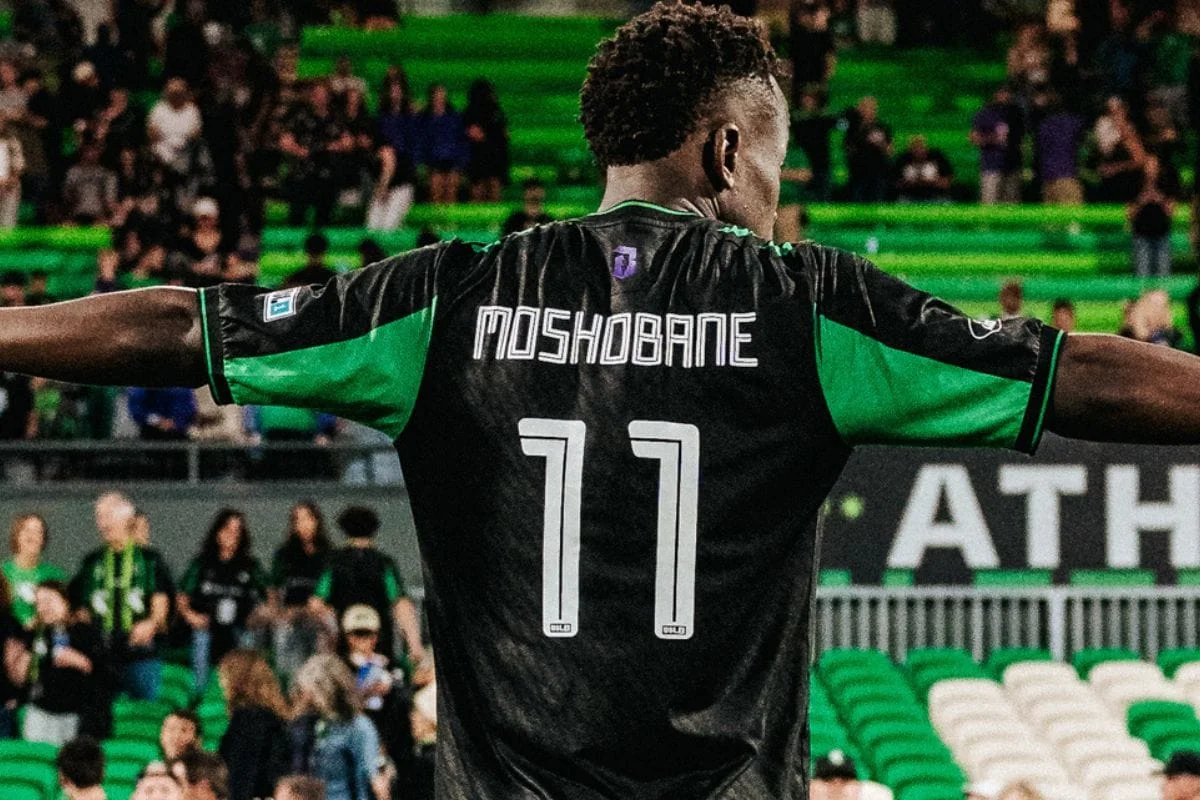
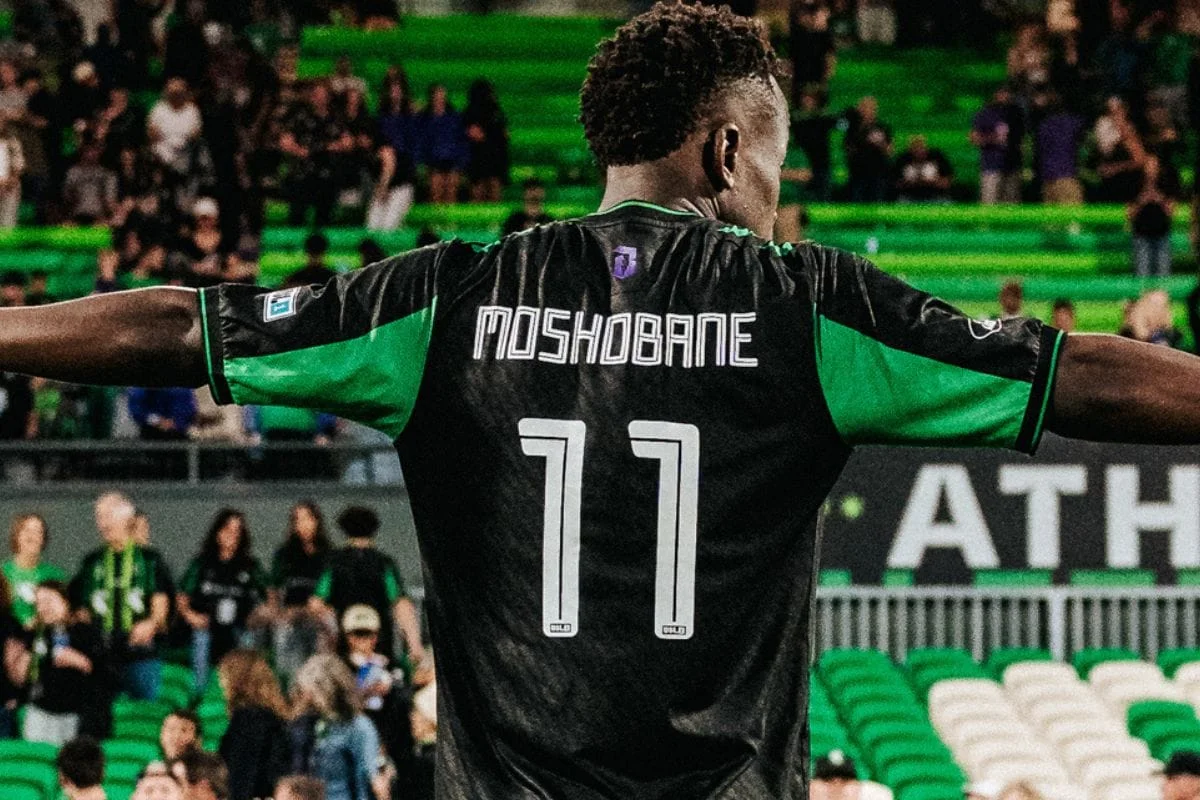
AC Boise’s 2-1 win over AV Alta offered a useful look at the range Tumi Moshobane brings to Nate Miller’s side. Boise is known for patient possession, but on Saturday it went more direct, and Moshobane’s movement helped turn that change in approach into two goals. The shift matters because a team’s identity is often described through its preferred style, while matches are decided by whether it can find another route when that style meets resistance.
Week 33 brought the USL League One table into sharper focus without settling the playoff picture. Charlotte Independence secured the Players’ Shield, while Sarasota Paradise and FC Naples face steep odds in their final double matchweeks if they’re to reach the top eight. The top-four race remains unresolved, leaving different kinds of pressure across the table: one major prize is settled, but several consequential positions are still in play.
Moshobane gives Boise options
In his third season playing for Miller, Moshobane has recorded 37 goal contributions in USL competition across spells with Lansing, San Diego and Boise. That history helps explain the trust he received against Alta, but his value in this match wasn’t limited to a record of past production. At 32, he shifted between roles to suit the demands of each phase, giving Boise a forward who could connect its attack and help shape its press.
Boise sent 17% of its passes long in the win, compared with a 10% average across the rest of 2026. That’s a notable departure from its usual pattern, though the figures describe one match rather than a permanent change in approach. The choice targeted Alta’s disorganized press, which struggled to handle balls played over or around it. Against a press that leaves space behind or between players, a direct pass can bypass pressure and force defenders to turn toward their own goal.
Moshobane often moved into the right channel as Boise’s highest player, combining with wingback Jonathan Ricketts as a forward target. His positioning gave the long pass a clear destination and helped the team compete for the next action. When Boise pressed, he dropped deeper to anchor a man-oriented midfield scheme. Here’s the thing: those jobs pull a forward in different directions, and the value is in making the transition without leaving the team disconnected.
JESUS GETS US GOING 😮💨😮💨 pic.twitter.com/FKLKA5JOJN
— Athletic Club Boise (@ac_boise) October 18, 2026
His contribution to the opening goal began before the final pass. In the 15th minute, Moshobane held his position as Ricketts and midfielder Phillip Mayaka pushed forward to intensify the press. When the ball broke loose, he collected it near the edge of the box and played Jesus Barea through. The sequence linked pressure, recovery and attack in a few actions; Boise didn’t need a long spell of possession to create a dangerous opening.
The second goal showed a different kind of awareness. As Ricketts surged down the right, Moshobane made an underlapping run that occupied Alta’s nearest defender. Ricketts then had room to cut the ball back across the box, where Barea finished again. Moshobane didn’t provide the assist, but his run helped alter the defender’s options at the moment the cross became available. Space created by movement can be as decisive as the final touch.
A flexible role with a clear payoff
Boise’s direct spells didn’t erase its possession identity; they gave the team another route through the match. Moshobane’s ability to serve as a forward target, support the press and create space for Ricketts made that adjustment work. His two goal-building sequences point to the value of keeping a versatile attacker involved as Boise changes tempo. This is more significant than it looks: tactical flexibility only counts when players can carry it out in the moments a match demands.
That said, one win doesn’t establish that direct play will be equally effective against every opponent. The approach worked here because Alta struggled with balls played over or around its press, and Boise had Moshobane’s movement to make those passes useful. Similar tactical adjustments depend on the opponent’s shape and the players available to exploit it. For Boise, the practical takeaway is modest but meaningful: possession can remain the foundation while a quicker route forward gives defenders another problem to solve.
What the result says about Boise’s options
The broader table picture gives the match added context, though it doesn’t change what the performance can prove. Charlotte Independence has secured the Players’ Shield, and the playoff race remains unsettled at the top four, with Sarasota Paradise and FC Naples facing steep odds in their final double matchweeks. Boise’s win over Alta adds evidence about how Miller’s side can adapt during a game; it doesn’t settle the season’s remaining questions.
If you’re working in this space, the detail to watch is how Boise uses Moshobane when opponents close off its patient buildup. His positioning can offer a target for direct passes, a link for the press and a decoy that opens a lane for Ricketts. And yet. The team still has to make those roles fit together across a full match, not just in two scoring sequences.
For now, the Alta match offers a clear example of a tactical adjustment with a visible payoff. Boise changed its passing mix, Moshobane adapted to the demands of each phase, and Barea finished twice. A useful option, rather than a new identity.
Discussion
Sign in to join the discussion.