The USL Championship welcomes Athletic Club Boise as it adopts a revenue-sharing model, setting a more sustainable path for the league's future.
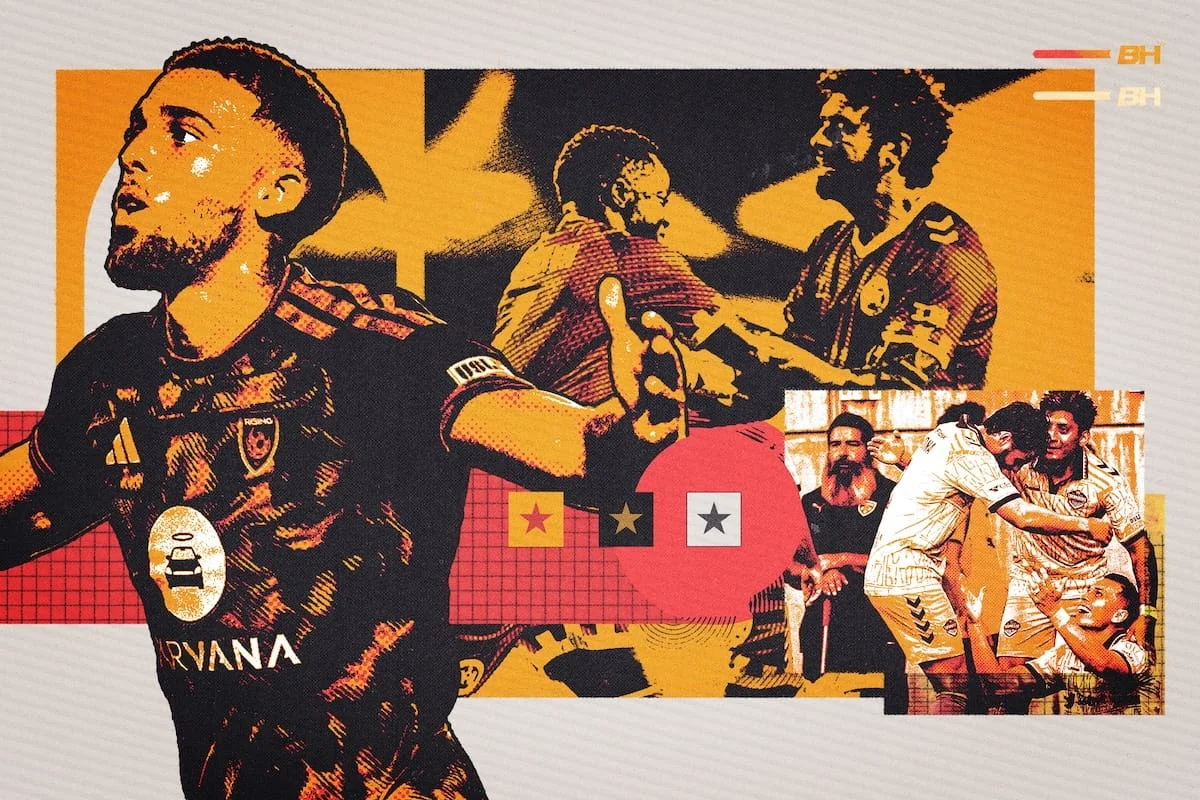
The recent developments within the USL Championship signal a significant shift towards long-term sustainability for the league and its clubs. With Athletic Club Boise’s elevation from League One and the implementation of a revenue-sharing model, the league is carving a more stable pathway forward. More than just a change in structure, this transition reflects a recognition of the need for financial health within the league, which has historically struggled with profitability and stability. By fostering a collaborative environment among clubs, the USL is attempting to create a system that enables clubs to thrive rather than merely survive.
Boise’s Strategic Vision
While Atletico Dallas is aiming to make a splash ahead of the USL Premier’s 2028 launch, Boise’s approach serves as an appealing model for growth. The club has successfully assembled an experienced ownership group, established a brand resonant with local fans, and devised a strategic marketing plan. These elements are essential in a sector where fan engagement can make or break a club’s fortunes. The emphasis on local connections isn’t just about building goodwill; it's about ensuring a more reliable revenue stream that can weather storms, like dips in match attendance or unfavorable economic conditions.
Furthermore, construction of a modern and cost-effective stadium, paired with a competitive team in a city boasting a metro population nearing 840,000, lays the groundwork for a healthy football ecosystem. This stadium will not only serve as a venue for games but also as a community hub, potentially hosting events that extend beyond football. By engaging with fans in this way, Athletic Club Boise is not just a team; it’s positioned itself as an integral part of the community. This could be pivotal as other USL clubs look to emulate Boise’s approach—highlighting a shift towards community-oriented models in professional sports.
Facility Upgrades and Aspirations
Before their transition to the second division next year, Boise plans to expand its stadium capacity from 7,500 to 10,500 seats, reflecting their impressive attendance figures. This increase is not only a nod to the club's growing popularity but also a calculated step to maximize revenue on match days. With ticket sales being a significant source of income, increasing capacity while maintaining a vibrant atmosphere can directly translate to better financial outcomes. The club's success in attendance may inspire other teams to reevaluate their stadium capacities and fan engagement strategies.
The club is also committed to enhancing its training facilities, aligning with their ambitions on the pitch. High-performance training centers are increasingly viewed as key investments that can influence a team’s on-field success. Better facilities often attract top talent—both players and coaching staff—who are looking for environments that can foster their development. As the competition within the league heightens, these investments could be what differentiates successful clubs from less competitive ones.
Although revenue-sharing amounts are currently modest, they encourage clubs to reinvest, creating opportunities for increased earnings as they progress through the league hierarchy. The concept of revenue-sharing can sound abstract, but here's the thing: it operates as a mechanism to ensure that wealth is not concentrated among just a few clubs. Instead, it incentivizes more balanced growth across the league. As clubs rise through the ranks, the potential for better financial health creates a more competitive environment, possibly leveling the playing field in some respects.
The Playoff Race and Future Challenges
The USL landscape is evolving rapidly, and we can expect to see accelerated changes before the USL Premier's inauguration in 2028. The league is at an inflection point; decisions made today will ripple into the future. Teams are jockeying for position as we approach the exciting playoff race set for 2026, with a number of clubs showcasing their strength and resolve.
In Week 28 of the Championship, various teams displayed noteworthy performances, marking the beginning of an intense finish to the season. Some clubs are relying heavily on their tactical acumen, while others showcase the raw talent of individual players. This blending of strategies and styles adds layers to the competition, making each match a fractal of tension and unpredictability.
1. El Paso Locomotive
Trending: No change
Result: 2-1 win at Louisville
Entering Week 28, the El Paso Locomotive rode a six-game unbeaten streak, balanced by an impressive xG margin of +0.92. They currently lead the Western Conference with an average of 4.3 recoveries in the final third per 90 minutes. Their recent success can largely be attributed to a high-pressure game that not only creates space for strikers like Rubio Rubin but also safeguards their occasionally vulnerable defense. What this means for other teams is a clear blueprint for balancing aggressive play while maintaining defensive structure.
Manager Junior Gonzalez relied on a solid backline featuring Tony Alfaro, Palermo Ortiz, and Noah Dollenmayer to maintain control within a 5-4-1 formation. This strategic setup illustrates the team's intent to stifle opponents while offering quick counter-attacking opportunities. Their effectiveness was evident in Louisville, where they faced the challenge head-on despite frequent goalkeeper changes. In a standout performance, Abraham Romero, who started in goal, made five crucial saves, while the center backs collectively recorded an impressive 21 clearances—an undeniable indication of the team’s significant growth.
Implications for the League
The progress of teams like Athletic Club Boise and El Paso Locomotive highlights a broader narrative about the potential for growth in the USL. These clubs are not just aiming for short-term success; they're laying the groundwork for a sustainable future in American soccer. If you're working in this space, whether as a fan, a player, or a business investor, it's essential to pay attention to these developments. They represent a shift not just in how clubs operate financially but also in how they engage with local communities. The investment in infrastructure, both physical and relational, may reshuffle the competitive hierarchy within professional soccer in the U.S.
This is more significant than it looks. The emphasis on community engagement and strategic growth isn’t merely about survival; it speaks to a future where the USL could be a more credible alternative to Major League Soccer, especially as MLS teams increasingly focus on international stars and less on local narratives. How closely USL clubs follow Boise’s model could very well determine the league's trajectory in the coming years.

Discussion
Sign in to join the discussion.