Athletic Club Boise's elevation to the USL Championship highlights potential shifts in USL League One's structure and competitiveness moving forward.
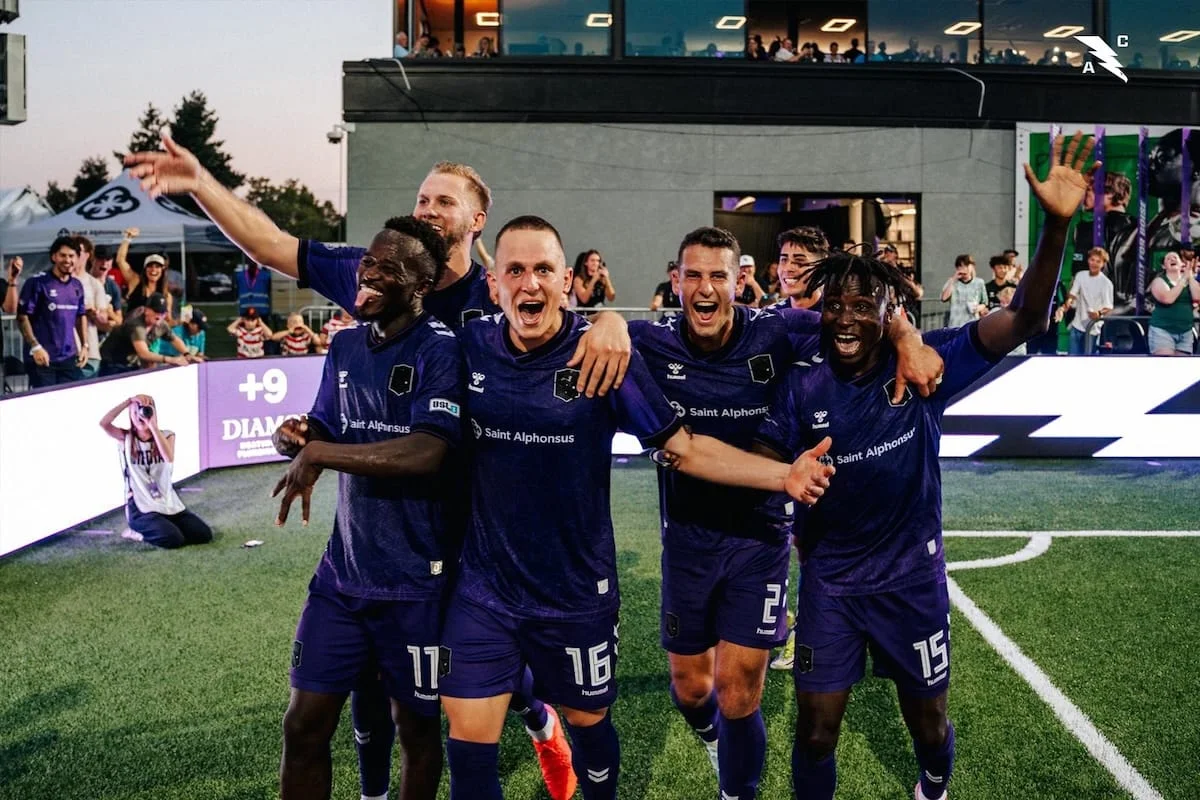
Boise's transition from USL League One to the USL Championship underscores a significant shift in the dynamics of the league, raising questions about the future of the third tier. Athletic Club Boise entered the league as an expansion franchise, quickly establishing itself with a self-owned 7,000-seat stadium, slated for expansion to accommodate over 10,000 fans by 2027. Their success both on and off the field, including impressive attendance figures driven by savvy marketing, showcases their emergence as a leading example in the league.
Brad Stith, the club's CEO, noted that this jump was made possible through an USL invitation, likening Boise’s trajectory to that of Lexington SC. With a vision for advanced stadium development, Boise's progression raises the likelihood that other ambitious clubs, such as Portland Hearts of Pine and Union Omaha, might follow suit. However, the looming introduction of a promotion and relegation system complicates this pathway, potentially altering the traditional ascent by creating a new hierarchy within the leagues.
The USL plans to establish a premier league operating alongside the USL Championship as distinct tiers, with League One serving as a substantial regional tier below them. Currently, though, this structural vision remains nascent. As League One gears up for the 2027 season with an expected roster of 20 teams, the integration of expansion clubs like Fort Lauderdale United, Sporting Cascades, Port St. Lucie SC, and an unnamed Southern California initiative are forthcoming, yet doubts remain about the overall viability of a cohesive regional model.
For stakeholders in League One, the benefits of regionalization are not clear-cut. A new revenue-sharing initiative, combined with rising media rights and continued expansion, suggests a profit potential. Nonetheless, one might question how a mid-July game between Port St. Lucie and Sarasota can captivate major broadcasters like CBS or ESPN. The influx of new clubs could dilute the financial returns for existing teams more than in the more concentrated Championship and Premier divisions, inviting skepticism about sustainable growth within the league.
This nascent stage for the league seems to necessitate a delicate balance as it copes with a growing number of clubs. As the USL expands, the ability for a fan in Antelope Valley to be invested in a Fort Wayne match becomes uncertain, diminishing the overall interest in having a broader national fandom if the competition is confined to regional divisions.
The existing economic landscape within the USL reveals that while financial disparities exist, they are not as starkly defined as they could be under the new structure. For instance, Orange County SC, a flagship club in USL Championship, reported $3.6 million in revenue but faced a $6.7 million net loss in 2024. Meanwhile, its League One counterpart, the Greenville Triumph, generated $2.5 million but suffered a $5.5 million loss during the same period. Although the gap exists, all clubs remain bound to a similar financial reality, raising concerns that under the restructured league, League One could risk becoming a second-tier entity.
Despite these potential setbacks, Boise's narrative adds a hopeful layer to the discussion. Their laudable success indicates the league could work efficiently, yet it's tough to ignore the sentiment that League One is morphing into a testing ground for ambitious clubs rather than a professional environment where both fans and teams find respect and belonging.
Assessing Boise's On-Field Performance
Moving beyond Boise's off-the-field achievements, their on-pitch performance speaks volumes about their capabilities. Crafting a solid defense from a newly assembled roster is challenging, but Boise has managed to establish itself as an exceptional defensive unit in League One. As of Week 28, they claim the title for the fewest goals conceded in the league.
Boise’s defense features experienced players such as Jake Dengler and Jake Crull, bolstered by seasoned USL Championship veterans including Jonathan Ricketts, Nick Moon, and Blake Bodily. Their defensive statistics are impressive, with an average of just 1.01 expected goals against and 11.9 shots allowed per match leading up to their recent victory against New York. In their match against the Cosmos, Boise continued this trend, allowing only 1.1 expected goals and conceding a late goal only after having the match firmly in hand.

Discussion
Sign in to join the discussion.