As the USMNT prepares for its upcoming friendlies, Pochettino’s approach signals a critical transition for the team and its promising young talent.
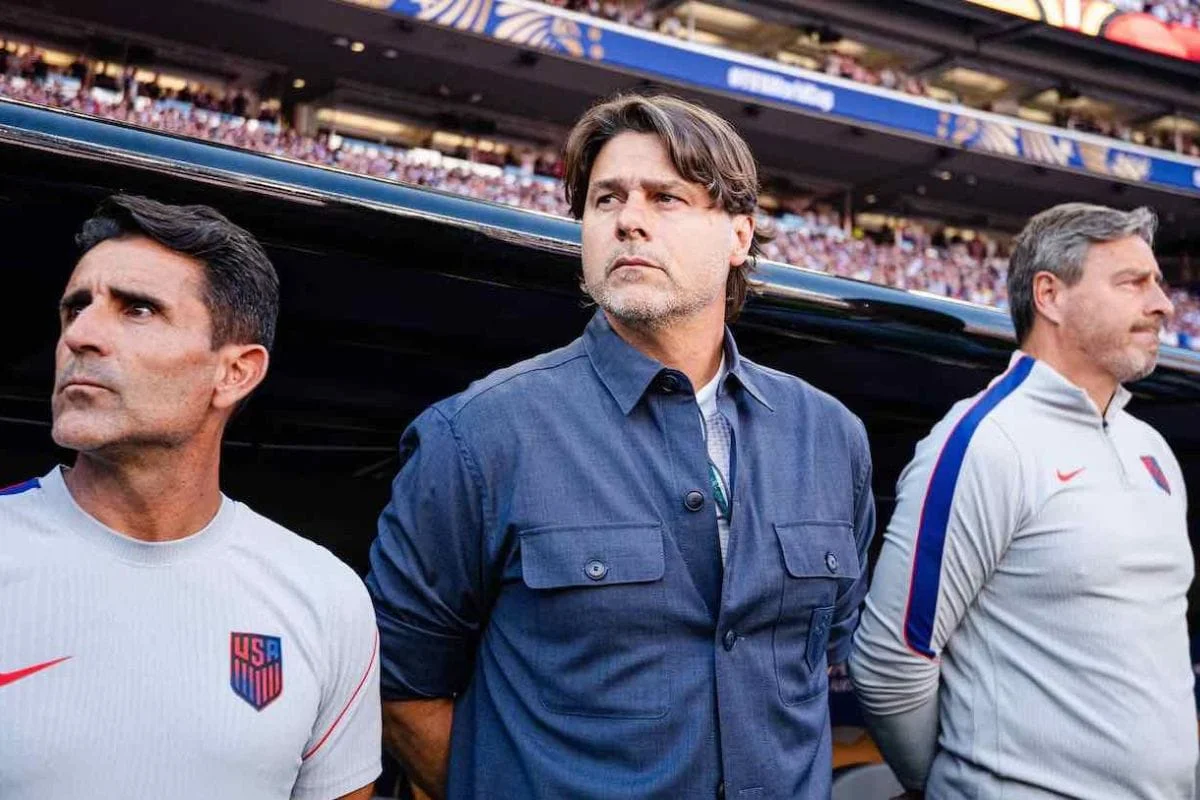
The U.S. Men's National Team (USMNT) is on the brink of a new chapter as it gears up for a crucial four-match friendly window. With the 2026 World Cup just behind and the 2030 tournament looming, the national team is under the stewardship of Maurizio Pochettino, who is adjusting the program's direction by working closely with U.S. Soccer's redefined leadership.
Scheduled matches against Peru on September 26, Chile on September 29, Mexico on October 3, and Canada on October 6 will serve as vital tests for the squad. These encounters are more than just friendly games; they represent a unique opportunity for Pochettino to evaluate his player roster and set the stage for the future.
Importance of the Upcoming Camp
This upcoming camp marks a significant shift for the USMNT, as it's the first time since 2014 that a World Cup manager continues into the subsequent cycle. Continuity with Pochettino is essential; it's a chance for him to build on the momentum generated during the World Cup, especially before the latest phase of the player transition begins. A fresh wave of young talent is ready to step up, and Pochettino's task will be to integrate them effectively into the senior squad.
In the past, teams often faced disruptions with management changes post-World Cup, leading to inconsistent approaches and rebuilding phases. This time, however, Pochettino aims to harness the existing knowledge of the squad and the lessons learned during the world stage. What this means for you, as a fan or follower of soccer in the U.S., is a potential for a more stable growth trajectory.
As Andrew Clausen points out, this camp is pivotal for understanding how Pochettino intends to recalibrate the player pool in the wake of the World Cup. Expect to see a blend of core players alongside emerging names. The setup grants Pochettino the latitude to experiment, providing a substantial window to assess strategies and player performances.
Moreover, Joe Lowery stresses the rarity of training time available in international soccer, making this a crucial period for developing talent. The matches hold weight not merely as friendly skirmishes but as auditions for the 2030 World Cup, where U.S. football now has numerous contenders eager to overshadow previously established players. Success in these matches, particularly against Concacaf rivals, could also help sustain the interest from fans who engaged with the team during the World Cup.
Building Roster Dynamics
When it comes to assembling the squad, the discourse around roster choices reveals various perspectives. Sanjay Sujanthakumar argues for the inclusion of younger players who weren't part of the World Cup lineup. Factors like fitness affecting established players such as Christian Pulisic and Weston McKennie, coupled with the adaptation challenges faced by newcomers, suggest Pochettino might prioritize flexibility in his selections.
However, it’s one thing to advocate for youth, and another to implement it effectively on the field. A balance between seasoned players and fresh faces is crucial. The team should reflect a combination of continuity with established core members, support squad players, and new talent eager to leave a mark. The specifics of this roster, especially considering Pochettino's recent comments about players who may not be ready to compete, are still under scrutiny. This is more significant than it looks; the choices made here could have implications for years.
While the squad will certainly not mirror the one that represented the U.S. in Qatar, there’s an expectation for significant changes. Clausen envisions an ideal scenario where familiar faces are complemented by a selection of players ready to carve their niche. Given fitness concerns and potential delays in player acclimatization, the challenge lies in retaining core strength while infusing new energy into the side. If you're working in this space, you understand how vital these decisions are—they can either uplift or derail momentum.
As the USMNT heads into this pivotal series, all eyes will be on how Pochettino leverages the extensive time allotted for preparation and how the blend of established players and exciting prospects can translate into tangible results on the pitch. Building upon the tactical framework that emerged during the World Cup could provide a sturdy foundation for sustained success as the team moves toward the next World Cup cycle.
Implications for the Future
The significance of these upcoming matches can't be understated. This is a test run, where Pochettino not only evaluates talent but also begins the process of forging a cohesive unit capable of competing at the highest levels. Friendlies often have a reputation for lacking intensity, but when a new era is on the horizon, there’s usually more at stake. The team’s performance and Pochettino's decisions will likely dictate how fans and analysts perceive the direction of U.S. soccer moving forward.
What happens over these four matches could very well set the tone for the build-up to the 2030 World Cup. Fans will be watching closely, not just for the scorelines, but to see how well Pochettino’s vision translates onto the field. His ability to meld experienced players with fresh talent will be critical in generating a narrative of progress and ambition. This period could prove to be a volatile one, filled with potential and uncertainty. But one thing is sure: the outcome of this camp is a pivotal piece in the larger puzzle of U.S. soccer’s ambitions.

Discussion
Sign in to join the discussion.