Mauricio Pochettino's USMNT roster features a mix of veterans and rising stars, setting the stage for a pivotal upcoming four-game window.
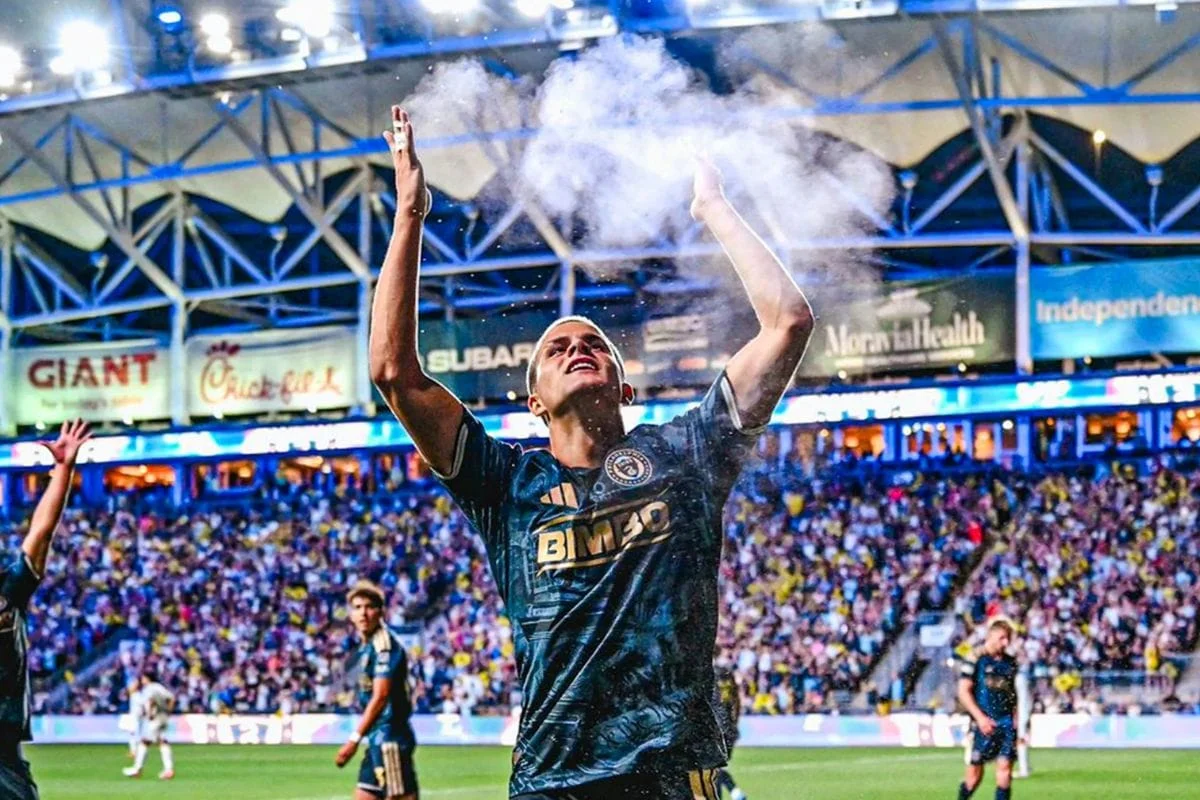

The U.S. Men's National Team has officially unveiled its first roster as it embarks on the 2030 World Cup campaign, revealing a 28-player squad under the guidance of Mauricio Pochettino. This roster will prepare for a series of friendlies against Peru, Chile, Mexico, and Canada, marking a significant development phase as 13 players from the 2026 World Cup squad are joined by an equal number of newcomers eager for their international debuts. With the looming World Cup, these matches are more than just warm-ups; they're a proving ground for the newest talents and a chance for veterans to solidify their positions.
Roster Analysis
So, how do Pochettino's selections measure up? Let's evaluate each position, focusing on both the established players and the promising talent called up. Understanding the rationale behind these selections can provide insight into Pochettino's strategy and vision for the team at a pivotal moment for U.S. soccer.
Goalkeeper
- Chris Bradly, 22, Chicago Fire
- Matt Freese, 28, New York City FC
- Diego Kochen, 20, Lyngby (on loan from FC Barcelona)
- Brian Schwake, 25, Nashville SC
Notable omissions: Matt Turner
The goalkeeper selection this time clearly reflects a shift towards youth alongside performance-based rewards. Chris Bradly, who’s rising through the ranks at Chicago Fire, and Diego Kochen, standing out in Denmark on loan from FC Barcelona, showcase Pochettino's willingness to lean into fresh talent. Schwake's inclusion is justified given his standout performances at Nashville SC, signaling a clear direction towards nurturing new blood. Even Matt Freese returns to the setup for the first time in a while, likely positioned for a redemption arc following past missteps. While Turner's experience has been invaluable, Pochettino seems intent on exploring a different dynamic in goalkeeping. This approach raises questions about the team's long-term strategy—is it simply about freshness, or is it a calculated risk aimed at building a more cohesive unit for the future? It’ll be interesting to observe if Turner reemerges as a primary option in future competitive matches.
Grade: B+
Center Back
- George Campbell, 25, West Bromwich Albion
- Neil Pierre, 18, Philadelphia Union
- Chris Richards, 26, Crystal Palace
- Miles Robinson, 29, FC Cincinnati
- Auston Trusty, 28, Celtic
Notable omissions: Justin Che, Tim Ream
Pochettino's chosen center backs illustrate a balanced approach, mixing youthful energy with seasoned experience. With Neil Pierre's selection, there’s a clear acknowledgment of his potential following solid performances with the Union, signaling that youth is indeed being prioritized. Meanwhile, George Campbell and Chris Richards provide a mix of athleticism and tactical awareness crucial for the center-back position. Many are looking at Robinson as the glue in this defensive setup; his leadership qualities could mirror the contributions Tim Ream made in previous cycles. This balance allows Pochettino to integrate newcomers while ensuring stability on the back line—essential as the U.S. gears up for more competitive fixtures.
Midfield
- Brandon Servania, 24, FC Dallas
- Weston McKennie, 25, Al-Ettifaq
- Gio Reyna, 20, Borussia Dortmund
- Yunus Musah, 20, AC Milan
- Christian Pulisic, 25, AC Milan
Notable omissions: Kellyn Acosta
The midfield selections demonstrate a blend of creativity and tenacity. With Weston McKennie leading the charge, the midfield has a strong anchor capable of dictating play. The call-up of Brandon Servania is interesting—despite being less heralded than his teammates, he has the potential to surprise with his passing range and adaptability. Yunus Musah and Gio Reyna stand as two of the most promising talents, representing the future of U.S. soccer, yet their ability to produce consistently in an international setting remains a question mark. Christian Pulisic's presence is almost a given; he’s a marquee player for the U.S., but that comes with the weight of expectations. If you’re working in this space, pay attention to how this midfield evolves through the friendlies.
Implications for the Future
Pochettino's roster selection is indicative of a shifting philosophy within U.S. Men's National Team strategy. The focus on younger players hones in on the long-term vision—the U.S. might not just be looking at the immediate challenges, but rather laying the groundwork for sustained success. This roster isn't merely a collection of talent but a statement of intent. If Pochettino can instill a cohesive playing style, the U.S. might emerge as a competitive force not just in 2030, but in the years leading up to it.
However, the success of this approach hinges on the ability of these players to adapt to international play. It'll be fascinating to watch how newcomers handle the pressure of friendlies against reputable opponents. The next several matches will serve as a litmus test for the effectiveness of Pochettino's selections.

Discussion
Sign in to join the discussion.