Roma led 2-0 at Old Trafford but managed no second-half shots on goal, as a disputed penalty and defensive errors helped United win 3-2.
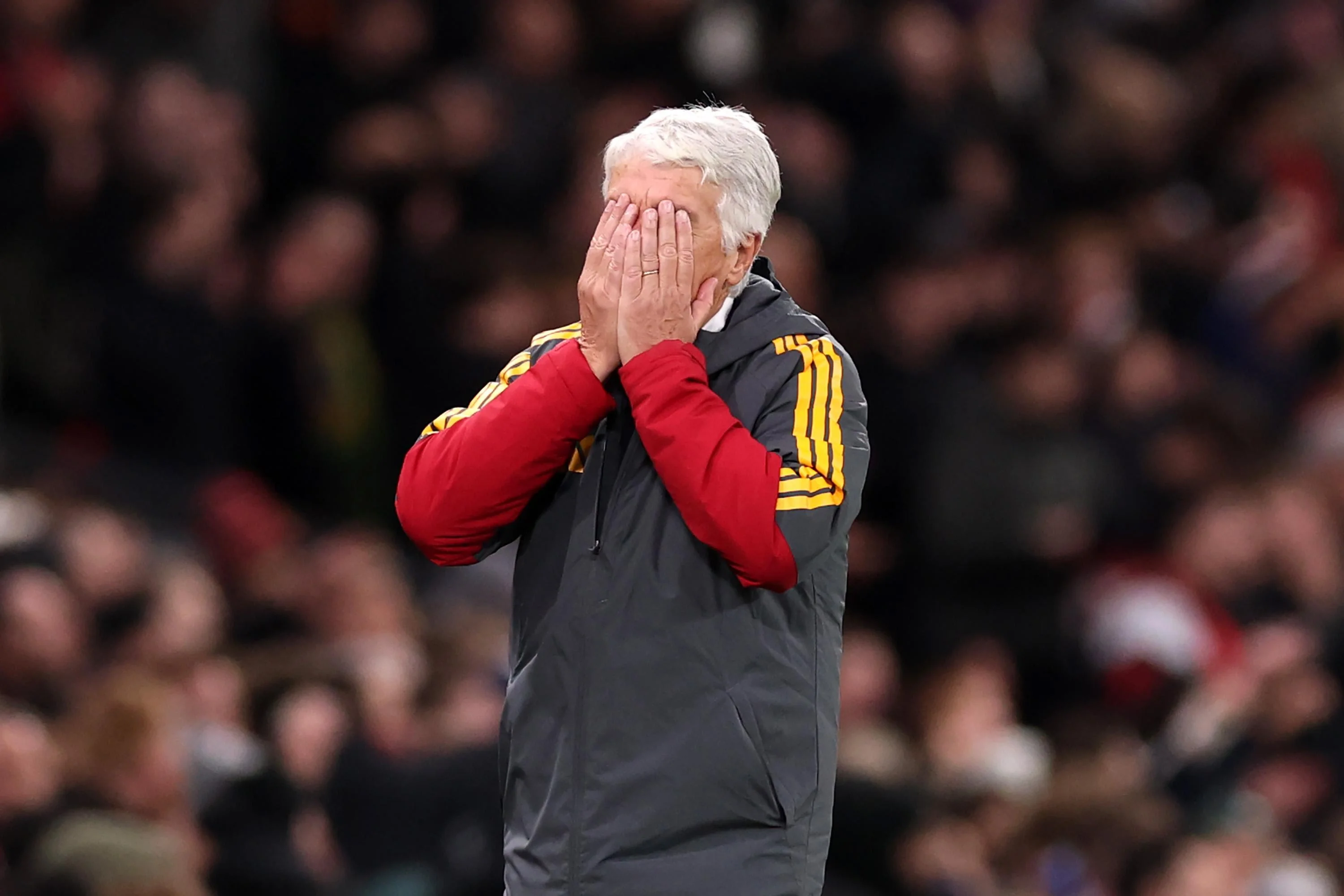
Roma had enough control and attacking quality to leave Old Trafford with a statement win. Instead, a 2-0 lead became a 3-2 defeat, with Matheus Cunha scoring twice late in the match. The disputed penalty that started Manchester United’s comeback will draw attention, but Roma’s second-half retreat gave the hosts room to turn one contentious decision into a decisive result.
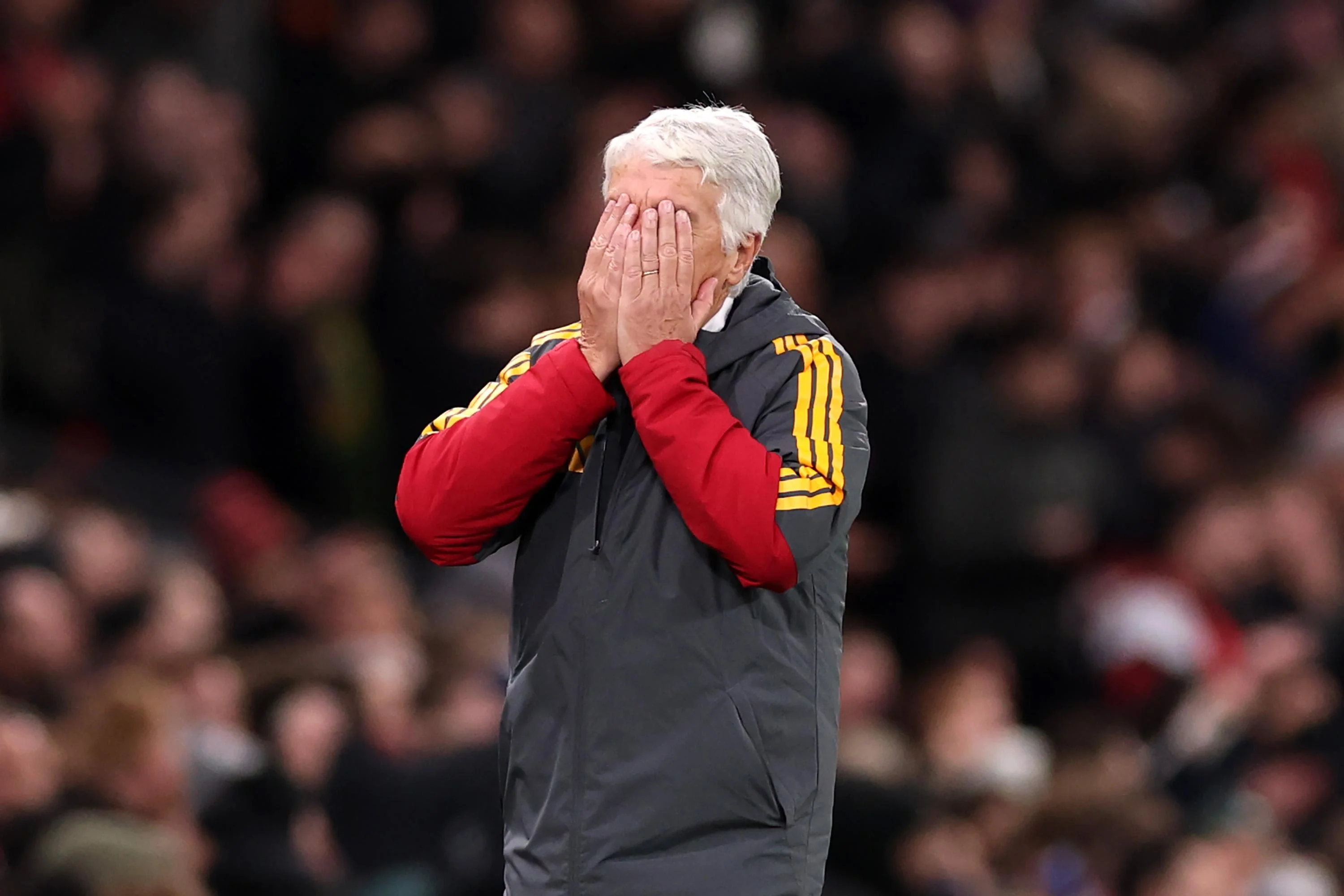
A bright opening that didn’t last
For the first 20 minutes, Roma looked capable of overwhelming a Manchester United side already under pressure. Matías Soulé opened the scoring in the 11th minute with a well-struck finish from the middle of the box. By the 18th minute, Roma had doubled its advantage and appeared to have the match on its terms.
Soulé was central to that early threat. He carried the ball along the right flank, recovered six balls, delivered five passes into the final third and completed five passes that broke through United’s lines. Those numbers don’t capture every part of his contribution, but they fit the impression of a player comfortable taking responsibility at Old Trafford.
Rodrigo Mora was just as influential before the break. The 19-year-old Portuguese midfielder created three chances, completed 90% of his passes and found his target with every long ball. He also recovered four balls and played four line-breaking passes. For a half, Roma had a young creator dictating play against one of Europe’s most recognizable clubs.
Then Gian Piero Gasperini took Mora off. The change became a focal point as Roma lost its grip, though the collapse can’t be pinned on one substitution. The team stopped making United defend the way it had in the opening half, and its attacking threat faded to almost nothing.
The penalty changed the score; Roma’s response changed the match
The turning point came in the 58th minute, when Cunha went down in the area and referee Jesus Gil Manzano awarded United a penalty. On the available description of the incident, the contact is difficult to see as enough for a spot kick: Cunha and Leonardo Balerdi appeared to brush against each other, while Cunha later seemed to stumble over his own feet. Any suggestion that Balerdi impeded him is marginal at best.
Roma’s frustration deepened when Devis Vasquez, the club’s third-choice goalkeeper, saved Bruno Fernandes’ first attempt. The referee ordered a retake after Bryan Cristante was penalized for entering the area before the shot. Fernandes converted the second attempt, cutting Roma’s lead in half.
The call was unusually severe and gave United a route back into the game. It still doesn’t explain what followed. Roma had nearly half the possession after the break—49%—but didn’t register a single shot on goal. That’s the clearest measure of how thoroughly the team ceded the initiative. United could press forward without worrying about a meaningful counterattack.
A 2-1 scoreline left Roma with something to protect, but the team needed to keep United occupied and create a threat of its own. Instead, the visitors went passive. The penalty may have shifted the mood; Roma’s lack of response shifted the balance of play.
Gasperini’s choices and the defensive breakdown
Gasperini’s first-half approach had worked. Roma stretched United’s defense with progressive passing, pressed aggressively and found space for Soulé, Mora and Malen to attack. A larger lead looked attainable. After the penalty, though, Roma produced no comparable answer, and the manager’s changes didn’t restore the team’s forward momentum.
That makes the decision to remove Mora especially hard to ignore. He had been among Roma’s most effective players, moving the ball through pressure and creating chances. His departure may have reflected the demands of the match, but the team lost a midfielder who had been helping it advance. The second half offered no clear replacement for his influence.
Roma’s defenders also lost key moments. Balerdi’s misjudged swing at the ball helped open the way for Cunha’s 83rd-minute equalizer. It was a sharp individual error, but the wider defense had already been under sustained pressure.
Mario Hermoso, Gianluca Mancini and second-half substitute Evan Ndicka struggled alongside him. Roma’s defensive totals, such as interceptions and blocks, may look respectable in isolation, but United won the contests that kept attacks alive. The hosts took 60% of the aerial and 50/50 challenges described in the match account, giving Roma fewer chances to relieve pressure or regain control.
Cunha struck again in the 86th minute, completing the turnaround. The late goals made the defeat a familiar kind of European setback for Roma: an early lead built through purposeful play, followed by a second half in which the team couldn’t sustain its threat or protect its advantage.
Points Roma can’t afford to leave behind
There’s a version of the Champions League table in which Roma has 10 points and sits just behind PSG. Instead, this defeat compounds the damage of a 4-3 loss to Real Madrid last month, another match in which a strong position gave way after the break. The pattern matters more than any single mistake: Roma has shown it can trouble top opposition, but hasn’t yet shown it can manage the match once momentum turns.
The penalty decision will remain a legitimate grievance. Yet Roma’s immediate challenge is clearer than the argument over the call: keep its attacking shape after setbacks, retain players who can move the ball forward and win enough defensive duels to stop opponents building wave after wave of pressure. The opening half at Old Trafford showed the quality is there. The next European match will show whether Roma can carry it through 90 minutes.


Discussion
Sign in to join the discussion.