Success in the USL relies on strategic investments in facilities and rosters; Boise and Fort Wayne exemplify this approach in 2026.
As the USL Championship and League One regular seasons draw to a close, 2026 has proven to be a pivotal year for club expansion and operational reform. The league's leadership has strategically restructured its approach, resulting in various expansion efforts that raise standards for incoming teams while simultaneously enhancing the game on the field. This transformation hints at an evolving vision for soccer in the United States, aiming not just for short-term gains but for long-term sustainability in a competitive sports market.
Investment is Key for Expansion Teams
In the USL, the notion that significant financial investment correlates with success can be a tough pill for club owners to swallow. If you're working in this space, it's crucial to recognize that the stakes have never been higher. Clubs are no longer just competing on the field; they’re also vying for the attention and support of an increasingly discerning fanbase. However, if the objective is to cultivate a loyal fanbase and pursue sustainable profits, these monetary commitments are indispensable. Insights from the current expansion class and the newly promoted teams from last season underscore this reality, offering a glimpse into which strategies seem to yield positive outcomes.
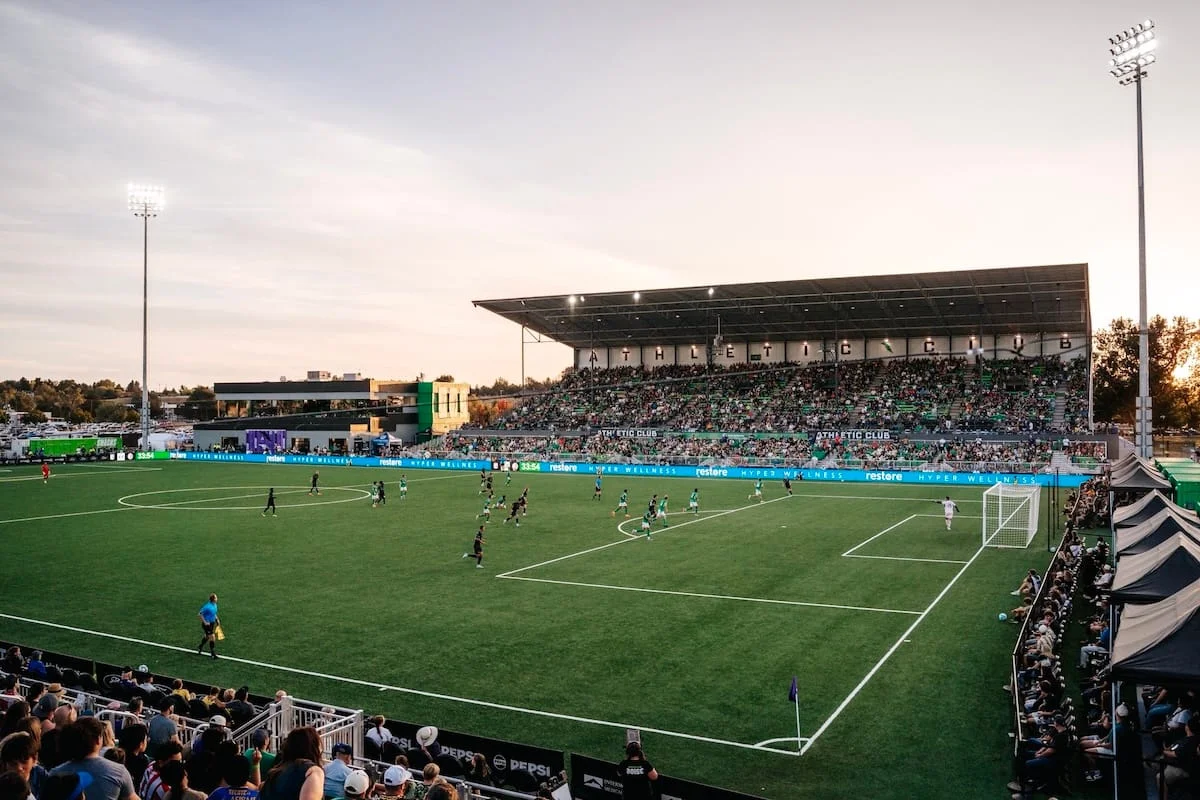
Athletic Club Boise stands as a prime example of this principle in action. The decision to invest in a new stadium has not only improved the team's facilities but has also sparked excitement within the local community. When you combine that with effective marketing strategies, you create a buzz that attracts attendees. Adding to this success is Boise's strategic hiring of manager Nate Miller, who has built a competitive team capable of going toe-to-toe with seasoned rivals. Boise is now set to make the leap from League One to the Championship next season, a move that not many clubs manage to achieve in their first few years. The decisions made have undoubtedly paid dividends, showcasing a model approach for new clubs. This isn't just an upward climb; it's a statement that investment can indeed translate to performance.
Similarly, Fort Wayne FC has effectively transitioned from USL League Two to League One, largely thanks to its state-of-the-art home, Ruoff Mortgage Stadium. This venue does more than house games; it serves as a community hub that enhances the overall matchday experience. The strategic roster development led by manager Mike Avery and sport director Ollie Gage emphasizes a blend of traditional insight and data-driven analysis. What’s fascinating about Fort Wayne is its community engagement strategy, which seems to understand that attracting fans is about more than just what happens on the pitch. This investment has translated into impressive attendance figures—Boise averaging around 7,215 and Fort Wayne bringing in approximately 3,580 spectators per match. And that’s no small feat in a league that’s still growing its reputation.
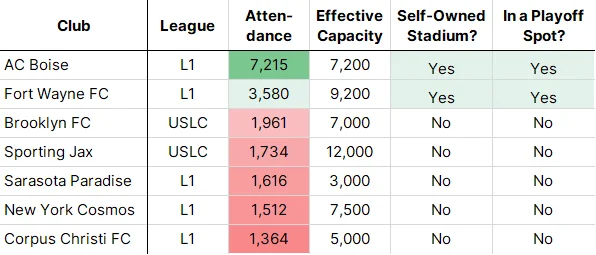
These instances highlight how League One teams have outperformed expectations in 2026, even compared to their counterparts in the USL Championship. The numbers tell part of the story, but they also raise larger questions about what constitutes success in soccer today. While it would be simplistic to attribute their achievements solely to financial backing for rosters and facilities, these elements are critical. It’s about creating a holistic environment for success—a blend of strong management, community involvement, and financial health. For anyone looking to understand the upward trajectories of these clubs, you can't ignore financial investment, but you also can't overlook the human factor that turns a business into a community asset.
Broader Implications for USL and Soccer in the US
The implications of this expansion phase extend well beyond just these individual clubs. They hint at a broader strategic vision for the USL as it seeks to position itself more prominently within the pantheon of American sports. With Major League Soccer (MLS) already established—though not without its challenges—the USL is positioning itself as a viable alternative for both fans and players. The strategies being employed by clubs in 2026 may set a standard that other leagues will look to mimic, particularly regarding community engagement and financial investment.
What this means for you, whether you’re a fan, an owner, or a potential sponsor, is that the business model of soccer in America appears to be shifting toward sustainability. Clubs may start viewing their operational efficiencies through a new lens—one that pays dividends not only in ticket sales but in community goodwill and long-term loyalty. Their success or failure might also affect how sponsors allocate their budgets, as increasingly savvy businesses will seek to attach themselves to brands that have a demonstrated track record of community integration and engagement, beyond just scoreboard victories.
In the end, while the on-field aspects of the game garner headlines, the behind-the-scenes efforts will likely dictate the long-term viability of these clubs. If clubs can harness the momentum of their investments wisely, we may witness a renaissance for soccer in smaller markets across the U.S., transforming clubs into magnets for sports enthusiasts searching for authentic connections and experiences.
Discussion
Sign in to join the discussion.