The USL is shifting its business model with a new revenue-sharing strategy, fostering better alignment between teams and the league to drive growth.
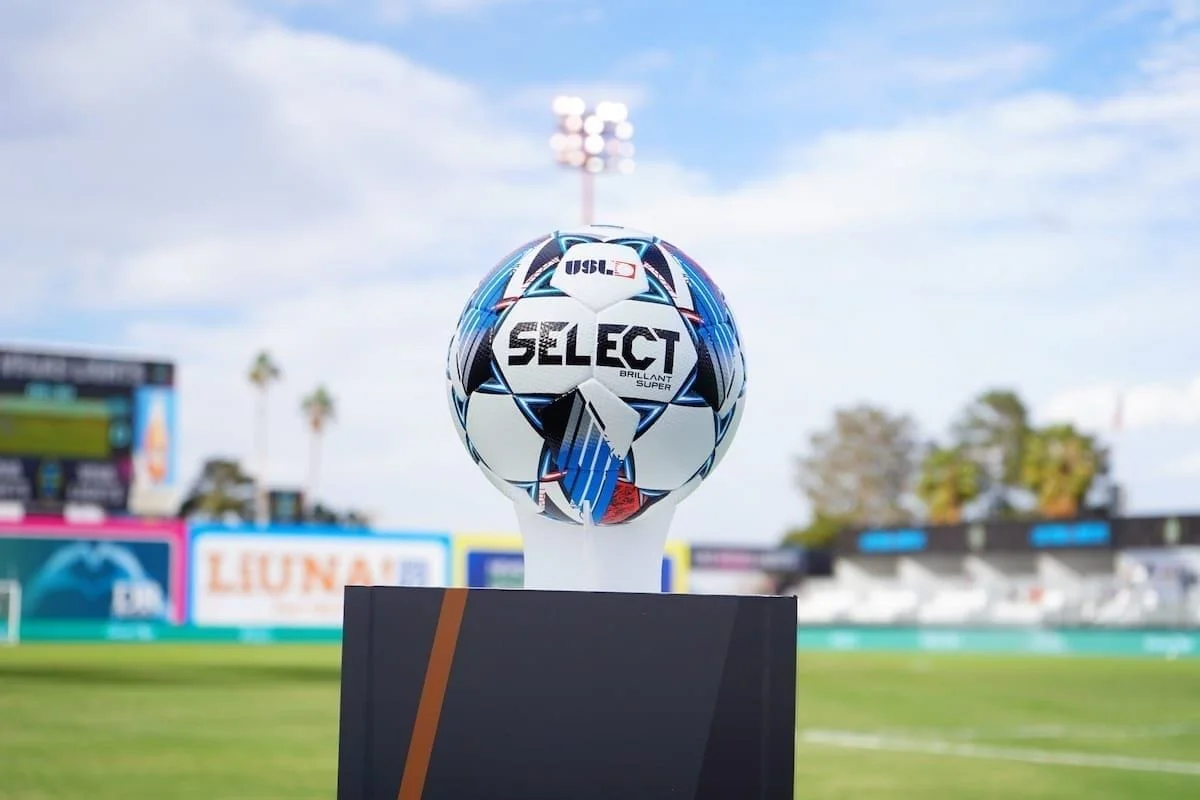
The United Soccer League (USL) is undergoing a transformation that reflects a new strategic direction. Over the past year, the league has reshaped its leadership, secured private equity investment, and established a collective bargaining agreement for the USL Championship. An important aspect of this shift is the recent implementation of a new revenue-sharing framework between the league and its teams.
Leadership and Strategic Changes
This transformation isn't just cosmetic. This new direction encompasses crucial leadership changes and a rethinking of the league's operational strategies. Paul McDonough, who now sits as the USL's president and CEO, acknowledged the importance of collaboration between the league and its clubs. He stated, “The league and our clubs are building this business together, and if we grow the USL and create more value, our clubs should participate in that growth. The revenue-sharing model creates greater alignment between the league and our owners at an important time for the USL.”
This new structure is not merely a gimmick; it’s a strategic alignment aimed at incentivizing club performance while harmonizing the economic interests of the league with those of individual teams. The urgency behind these changes reflects the heightened competition not just with other soccer organizations, but also with alternative entertainment options vying for fans’ attention and wallets.
Financial Investments and Their Impacts
The reformation process has been notably swift, particularly with the involvement of BellTower Partners and Weatherford Capital. Their investment has been pivotal, enabling the professionalization of league operations while strategically guiding expansion efforts. Such financial backing is crucial as the league seeks to elevate its brand and competitiveness in American soccer.
It's telling that, in the fifteen years prior, NuRock Soccer Holdings was the predominant force steering the USL. With the departure of Justin Papadakis and a complete restructuring of the executive team, the USL is signaling a fresh start. McDonough's ascendance to the CEO role could represent a new chapter that prioritizes collaboration over individual club agendas. Kewsong Lee's involvement as co-chair of the USL board underscores the new duality of leadership—a blend of established stakeholders and fresh perspectives.
Member Club Involvement
While NuRock retains a significant stake in the league, there’s no denying that there's a perceptible shift in the operational approach. Jeff Garner, president of the Pittsburgh Riverhounds, emphasized the encouraging nature of the new investment as a unifying force among clubs, stating, “We have to be in it together. And I don't know, historically, if you could totally say that.” This acknowledgment speaks to a long-standing issue: the often fragmented interests of competing clubs.
Drew McKenna, managing partner of One Knoxville SC, echoed this sentiment. He articulated that alignment between the league and its teams would be central moving forward. What this means for you, if you're working in this space, is that clubs now find themselves with a financial incentive—both to succeed individually and to contribute to the league's overall growth narrative. Having a stake in the league's prosperity could lead to a more engaged and cooperative club culture.
Evaluating the Impact of Revenue Sharing
Discussions surrounding the revenue-sharing agreement have been in the works for about a year, ultimately culminating in a five-year pact. Clubs across the USL Championship, USL League One, and the soon-to-be-established USL Premier will now participate in a revenue-sharing model designed to distribute profits derived from various sources: expansion fees, media rights, national sponsorship deals, and even gambling activities. This change marks a substantial departure from the earlier structure, which required clubs to solely contribute funds to the league headquarters—a model that many found unsustainable and one-sided.
Historically, ticket sales have represented a primary avenue for revenue within the USL framework, with roughly 40% of a typical Championship team’s income generated through these sales alone. This figure excludes additional revenues that come from sponsorships and merchandise linked to in-person attendance. Yet even the league’s top performers are facing financial hurdles—Detroit City’s co-owner Sean Mann revealed that his team, despite being considered successful on the field, loses around $4 million annually, an alarming statistic that indicates how precarious the financial situation truly is.
This revenue-sharing model, while not distributing every dollar from the league, does broaden financial participation among clubs. It sets a cooperative tone that could significantly redefine how franchises operate. By sharing the pie more equitably, the USL is attempting to foster a healthier business environment—one that prioritizes competitive balance and financial sustainability over mere individual profits.
Future Implications for the USL
The implications of these changes extend beyond mere operational tweaks; they resonate through the entire culture of the league. The shift to a revenue-sharing model could signify a new era in USL history—a moment where clubs align their strategies and build a unified front. This collaboration could position the league to better compete not only with other soccer organizations but also with larger sports leagues in the U.S. The question remains: how quickly can clubs adapt to this new reality? And how effectively will partnerships be cultivated? Putting aside the usual skepticism often associated with changes in leadership, this transformation has the potential to create a more competitive and sustainable soccer environment in the United States.
Discussion
Sign in to join the discussion.