From Aspiring Player to Spurs Coach: David Magrone's Inspiring Football Journey
Published Sep 23, 2026Reads 815By Jake Rosengarten
David Magrone's transition from a sidelined player to a key Tottenham coach highlights resilience and the impact of mentorship in football development.
A Unique Journey to Coaching at Tottenham
David Magrone's journey from a hopeful teenager to a vital part of Tottenham Hotspur's coaching staff is nothing short of remarkable. At just 17, he was a young footballer with dreams of greatness, clutching a Tottenham scarf—a symbol of the club he fervently supported. Little did he know that his relationship with the team would evolve in unexpected ways over the next two decades.
Fast forward to today, and Magrone finds himself on the bench at Old Trafford, part of Tim Sherwood's coaching team as Spurs triumph over Manchester United. This remarkable twist of fate stems from a playing career cut short due to eight grueling knee surgeries that crushed his aspirations of being a professional player. He candidly shared the toll this took on him with football360.com.au, saying, “I fell out of love with the game. I couldn’t come to terms with not being able to play.” Yet, rather than stepping away from football entirely, he took an unexpected turn toward coaching and scouting.
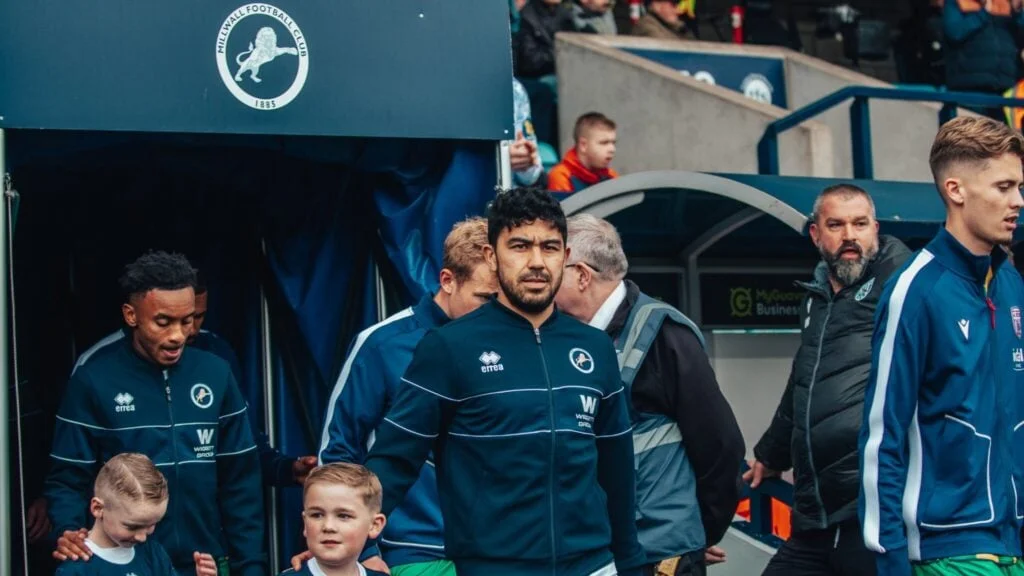
With encouragement from a friend, Magrone transitioned into coaching, becoming the technical director at St George FC. He soon channeled his passion into youth development by founding his own academy, producing talented players like Massimo Luongo and Sydney FC's Peter Triantis. His aim was clear: enhance the coaching process that he felt was lacking during his own upbringing in Australia. “I wanted to replicate and improve how I developed as a young player,” he explained.
This newfound direction in coaching led Magrone to scout in Europe, where he capitalized on his connections and deep knowledge of the game. His efforts bore fruit when several players under his guidance caught the eye of European clubs, prompting a call to Tim Sherwood, who was then at Tottenham. The conversation was revealing: Sherwood was frank, stating, “I can look at them, but mate, if they’re no good, they’ve got to be out the door in two days.”
As it turned out, Magrone's keen eye for talent proved invaluable. His most notable recommendation led to Spurs signing Christian Eriksen after he was initially tasked with observing another player. “I went back to the club and said, ‘You’ve got to get Eriksen. He’s the one,’” appeared to resonate strongly with the Spurs hierarchy. His confidence in Eriksen stemmed from the midfielder's impressive football intelligence, much like his assessment of Luka Modrić years prior.
Magrone's story encapsulates a tale of second chances and unexpected opportunities within the sport. After making a name for himself in the youth system and beyond, he found himself back in the spotlight, supporting some of the biggest names in football, including a young Harry Kane, Gareth Bale, and Modrić. His journey from fan to peer in the club he idolized showcases not just his commitment to the game but also the potential for redemption and success, even after substantial setbacks.### Looking Ahead: Bridging Potential and Opportunity in Australian Football
Massimo Luongo’s football journey, particularly his ascent from a promising youth player to becoming a linchpin for the Socceroos, offers a profound lesson in nurturing talent. David Magrone’s reflections on Luongo are not just nostalgic; they highlight a broader issue within Australian football: the need for a stronger, more proactive youth development system. This is significant because it sheds light on a pattern that often undermines talent in the region, directly impacting players' pathways in their careers.
Magrone’s recollections expose a troubling reality where quality players like Luongo face skepticism from successive coaching staff. His remarks—“he’s the first name on the team sheet!”—underscore the disconnect between a player’s undeniable talent and the decisions made by those in power. This gap illustrates a lack of vision in many clubs that could otherwise benefit from fostering promising athletes.
As Magrone contemplates returning to Australia, he focuses on the potential for growth within local football. His desire to engage more deeply with youth development reflects a keen understanding of how much talent exists in Australia, but also a frustration over the untapped potential. "We can do such a better job," he argues, and rightly so.
If you're entrenched in Australian football or even just an aspiring player, this insight is an urgent call to action. It suggests that the future of football in Australia lies not just in talent identification but in creating structures and environments where young players can thrive, learn, and ultimately succeed. There’s a pressing need for creative mentorship and resources that go beyond the traditional models currently in place.
Ultimately, the narrative surrounding Luongo isn't simply about an individual success story; it's a blueprint for what Australian football can achieve if it prioritizes youth development and supports its players effectively. As Magrone explores new opportunities, let's hope the focus shifts more toward nurturing the next generation—because doing so won't only elevate the players, but also the entire sport in Australia.
Discussion
Sign in to join the discussion.