Daniele Longo discusses AC Milan's player trading strategy, emphasizing smaller sacrifices instead of significant player sales for financial stability.
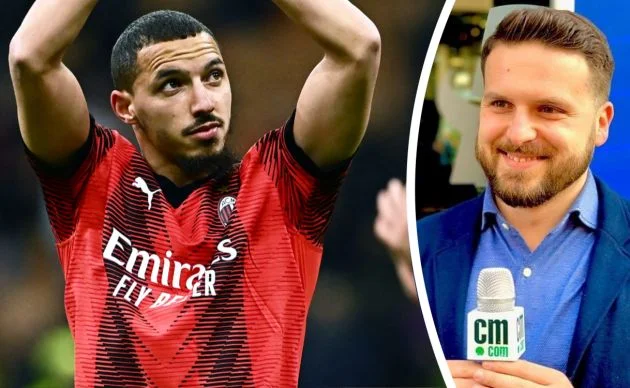
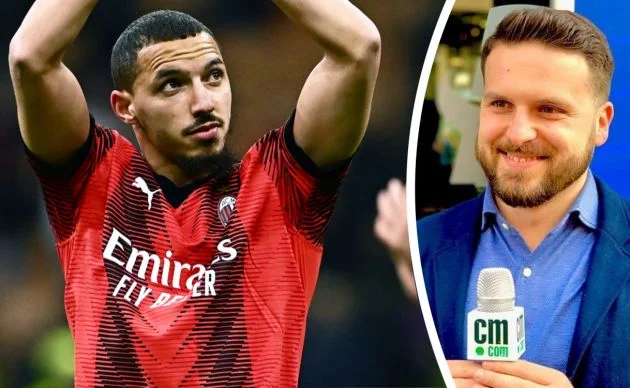
Daniele Longo, journalist at Calciomercato.com, recently shared insights into AC Milan’s transfer approach regarding player sales and the club's financial strategy for the upcoming summer transfer window. This conversation hints at a broader understanding of how football clubs are navigating both emotional ties and financial realities in an era of tightening budgets across leagues.
Fan Dynamics and Emotional Weight
The emotional weight of player sales is significant for fans, as demonstrated by the high-profile departure of Sandro Tonali to Newcastle United last summer. Fans often view such moves through a lens of loss, which can lead to skepticism about club management. For many supporters, Tonali represented more than just skill on the pitch; he was emblematic of a generation of players who grew up idolizing AC Milan. His exit left many concerned yet was financially beneficial for the club, illustrating the tightrope clubs walk between sentiment and pragmatism.
Longo's remarks during the 'Meeting the Milan Media' series underscore this delicate balance between sentimentality and financial viability. He said, “I was born with the genius of Savicevic and the creativity of Boban, with Weah’s red shoes.” This nostalgic perspective highlights a struggle fans face today as they witness clubs being transformed into profit-driven enterprises. Such reflections reveal the friction between romantic views of football's past and the relentless demands of modern sports economics.
Strategy Over Sentiment
Longo emphasized the shift in focus towards sustainability in football, which is more pronounced than ever. The big news is that AC Milan no longer has to rely solely on significant sales to fund their squad rebuilding efforts. “The positive thing is that Milan no longer necessarily have to sell in order to finance the mercato,” he noted. This marks a departure from past tactics where critical sales were a lifeline to maintain a competitive squad. For years, many clubs, including Milan, faced stark choices, often falling back on a cycle of player sales that left fans feeling queasy.
However, the inherent risk in this sell-to-buy model became apparent as he pointed out, “I believe that the risk of this strategy – in principle – is that it can take you up to a medium-high level but not beyond." This raises a significant question: how will AC Milan close the gap with Europe’s elite, such as Manchester City and Bayern Munich, under a model that seems to prioritize financial health over aggressive investment? The challenge is not merely in competing with these giants, but in establishing a sustainable model that can lead to true title contention, which might be just out of reach.
Potential Player Sacrifices
Despite the recent emphasis on smaller trades over blockbuster sales, certain sacrifices remain inevitable. “Milan's will is and will not be to sell the strongest players,” Longo explained. While it sounds reassuring, the reality is that in the modern transfer market, even mid-tier players can invoke hefty fees due to inflated valuations. Stars like Theo Hernández, Rafael Leão, or Mike Maignan may not currently be on the chopping block, but the constant pressure of market dynamics means that nothing is guaranteed. While clubs may wish to keep their best players, the right offer can change everything.
Longo specifically mentioned Ismaël Bennacer in the context of potential sacrifices: “A sacrifice on Bennacer’s level is more likely." This 'if the price is right' mindset reflects a calculated decision-making approach, but it’s a difficult line to walk. If an offer of €50 million were to arrive for Bennacer, and one of €60 million for Theo, the suggestion is clear: Milan would likely negotiate to sell the Algerian. This indicates a strategic choice to maximize financial return while preserving core talent, a reminder that even well-loved players can become pawns in a financial game.
AC Milan's balancing act of maintaining competitiveness while navigating the transfer market showcases a prudent approach in an environment where financial sustainability is paramount. As they plan for the future, watch for how these strategies unfold in the coming months. The implications are far-reaching, not just for Milan, but for clubs across the continent struggling to find equilibrium between ambition and fiscal responsibility.
Future Outlook for AC Milan and the Transfer Market
The implications of these debates extend beyond AC Milan. The broader football market is shifting, and clubs are facing increased scrutiny over their financial models and long-term viability. If you're working in this space, it's essential to keep an eye on how AC Milan navigates its strategy. Fans want to see stars, but if financial pressures lead clubs to offload talent, it could affect team performance and fan engagement. It's a balancing act; the excitement of player signings must be weighed against the realities of financial health.
As AC Milan charts its course forward, it may find strength in promoting youth talent and making strategic yet responsible acquisitions. Teams that can foster young players while still engaging in wise trading can remain competitive without relying solely on high-profile sales. This approach may define success in a climate where cash flow is increasingly visible to fans who demand accountability. There's little wonder that the future of football’s economics rests on the ability to adapt without alienating the very supporters who fuel the game.
The post AC Milan's Transfer Strategy: Focusing on Strategic Sacrifices Over Major Sales appeared first on SempreMilan.

Discussion
Sign in to join the discussion.