AC Milan is exploring the possibility of signing both Joshua Zirkzee and his younger brother Jordan amid ongoing negotiations.
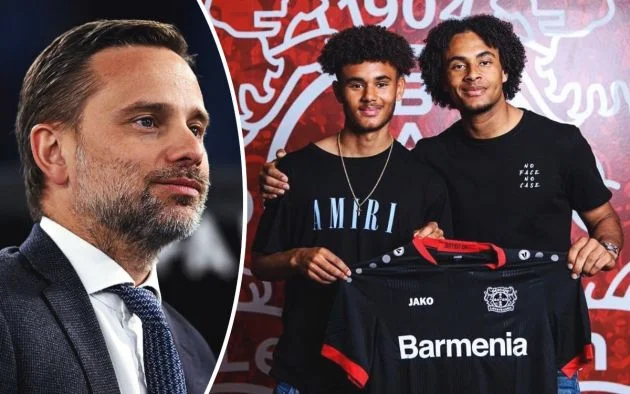
AC Milan is navigating complex negotiations to secure Joshua Zirkzee while also exploring the potential inclusion of his younger brother, Jordan Zirkzee.
The impact of family connections during transfer windows is significant; AC Milan has shown interest in brokering deals that involve siblings in the past. Notably, Kaka was signed alongside his brother Digao, and more recently, Gianluigi Donnarumma’s contract renewal saw his brother Antonio involved.
Potential Dual Signing of the Zirkzee Brothers
Recent reports from SempreMilan.it suggest that discussions with Zirkzee's agent, Kia Joorabchian, have also included the younger Zirkzee, Jordan. Currently, he is contracted with Bayer Leverkusen, but his deal is set to expire soon.
While the party responsible for bringing Jordan's name into the conversation is unclear, the mere idea of including him could significantly impact the potential transfer of Joshua to Milan. Clubs often look to negotiate advantageous terms, and having another player involved can sweeten the deal. Family dynamics in football transfers often create unique value propositions, and in this case, it could be essential for easing Joshua’s transition to Milan.


Jordan Zirkzee, born in 2005, is a forward who netted six goals and provided three assists in 21 appearances for Leverkusen's U19 team last season. Acquiring him would not only simplify Milan's transfer strategy but also allow the club to sign him without a transfer fee, transferring him to the Under-23 side post-signing. This potential move would be beneficial for both parties; Milan could bolster their youth ranks while enhancing Jordan's development in a more competitive environment.
Strategic Benefits of Signing Jordan
Bringing Jordan on board could ease financial constraints for Milan. By considering the dual signing, the club would have the chance to distribute salary and associated commissions over two transactions, making the overall cost of securing Joshua Zirkzee more manageable.
At a time when many clubs are tightening their budgets, this approach could offer clear financial advantages. Not only would this maneuver benefit the club's budget, but it could also solidify their position in negotiations related to Joshua. The support from the entire Zirkzee family could enhance Milan's appeal, making it easier to convince Joshua to make the move.
As discussions progress, it remains to be seen how seriously Milan might pursue this avenue. Stakeholders remain vigilant, and it'll be interesting to watch how the negotiations unfold in the coming days. If you're working in this space, keep an eye on both the player and the club's strategies; there's far more at stake than just a sibling duo joining the same team.
Implications of the Zirkzee Negotiations
The dual signing of the Zirkzee brothers could signify a shift in Milan's transfer strategies, particularly in how they approach negotiations with younger players and their families. Bringing in Jordan could set a precedent for valuing familial relationships when making player decisions. This isn't just about talent; it's about creating a supportive environment for younger players, something that has proven effective for numerous clubs in the past.
Ultimately, the success of this negotiation could resonate beyond these two players. If this approach yields positive results for Milan, other clubs might adopt similar strategies, recognizing the value of familial ties in strengthening team chemistry and loyalty. This situation also underscores a larger trend: clubs are increasingly aware that player retention is as crucial as acquisition.
In many ways, this is a subtle but strategic move. While the immediate motivation may focus on recruitment, the longer-term ramifications could affect Milan’s overall team dynamics and development strategy. Making the right moves now could pay dividends down the line.

Discussion
Sign in to join the discussion.