AC Milan opts to retain Fikayo Tomori while navigating a disrupted transfer involving Noah Okafor, reflecting shifting strategies in January.
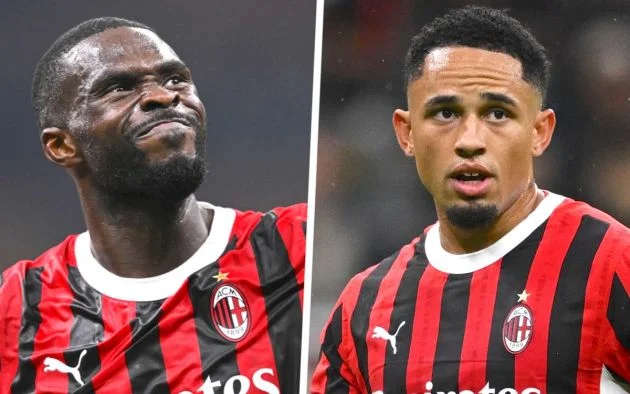
As the January transfer window unfolds, AC Milan finds itself at a crossroads with significant roster decisions. The club is currently weighing potential player exits to bolster its financial situation and manage squad numbers.
The Current State of AC Milan
With the January transfer window now in play, AC Milan faces crucial choices that could impact its season trajectory. The football club is grappling with both financial constraints and performance on the pitch. While teams often view the transfer window as an opportunity to strengthen their squads, AC Milan must also consider player sales to maintain financial stability. With the pressure mounting, the club's actions in this window won't just affect their current campaign—they could set the tone for future seasons as well.
Tomori's Future at Milan
Recent reports indicate that Juventus is reigniting interest in defender Fikayo Tomori after Barcelona’s reassessment of their roster following injuries. La Gazzetta dello Sport suggests that Juve could propose a loan deal with a mandatory purchase option, potentially totaling €30 million.
However, with Tomori reestablishing himself as a starter under the new management of Conceicao, it seems improbable that the Rossoneri would part ways with him, especially at a critical juncture in the season. The club is in the middle of a challenging campaign; losing a key defensive player like Tomori could destabilize their back line at the worst possible time. Their recent experience of strengthening a competitor through player sales, particularly the move of Pierre Kalulu to the same rival, has likely influenced this decision.
The stakes are particularly high. If you're working in this space, you'll appreciate that letting Tomori leave could undermine the club's defensive setup and hamper their chances of securing a European spot. For now, it appears safe to assume that Tomori will remain in Milan until at least the end of the transfer window. The dynamics may shift come summer, but for now, Juventus will likely seek alternatives in their hunt for a central defender.
Analyzing the Okafor Situation
Noah Okafor's return to Italy has been clouded by disappointment following a failed transfer to RB Leipzig. Initial conflicting reports regarding his fitness and the financial motivations behind the collapsed deal have sparked curiosity.
Reports from SempreMilan.it confirm that Leipzig leveraged Okafor’s physical condition to renegotiate the terms of the loan agreement, attempting to shift from a structured fee to a free transfer instead of honoring the original €2-3 million fee. This late-stage strategy caught Milan off guard, prompting them to recall Okafor rather than accept terms that seemed unfavorable. The club had hoped to streamline its squad, but what transpired was a blend of unexpected tactics and poor timing.
Milan's front office is understandably frustrated with Leipzig, especially since an absence of a transfer fee would limit the Bundesliga side’s urgency to engage in a future buy-out above €20 million. The implications are clear—without sufficient compensation, Milan risks losing a player they invested in while simultaneously complicating their own summer plans. The relationship between clubs and their dealings can often take on a combative nature; this incident is a testament to the delicate balance of negotiations in high-stakes football.
As tensions mount, Milan is redirecting their efforts, alongside Okafor's representatives, to find him a new permanent home. They face an uphill battle; the optics of a player's return after a failed transfer often raise questions. And this is the part most people overlook—Okafor's reputation could take a hit if not managed properly. Navigating that could be as challenging as securing a solid transfer agreement.
Strategic Implications for AC Milan
The intricacies of AC Milan's transfer dealings highlight a cautionary tale relevant to many clubs operating under financial constraints. The decisions made in this window can create short-term needs that evolve into long-term consequences. If AC Milan fails to secure adequate funds from player sales, they could miss out on future targets or be forced to make overpriced signings in a panic.
The situation surrounding Tomori and Okafor serves as a microcosm of broader themes in football—how clubs conduct business is increasingly scrutinized and reflects their overall health. There’s a growing recognition among clubs that the balance sheets matter as much as maintaining on-the-pitch competitiveness. Transfer strategies now require foresight and long-term planning rather than opportunistic moves.
This period will be telling for AC Milan. If they can manage their roster effectively while maneuvering the market, they might emerge from the transfer window in a stronger position—financially and competitively. However, failure to capitalize could see them treading water as rivals make strides. And yet, for fans, the questions linger: will their beloved club preserve its competitive edge, or will it falter in the relentless push for success?
The source of these insights about AC Milan’s transfer dealings can be traced back to the detailed reporting from various clubs and outlets, highlighting a careful approach to squad management and player transactions as the dynamic environment of football transfers continues to shift.
For more in-depth analysis, refer to the original article on SempreMilan.

Discussion
Sign in to join the discussion.