Portland Hearts of Pine's sporting director appointment of Ray Saari marks a significant step in their ambition, as the playoff race intensifies in USL League One.
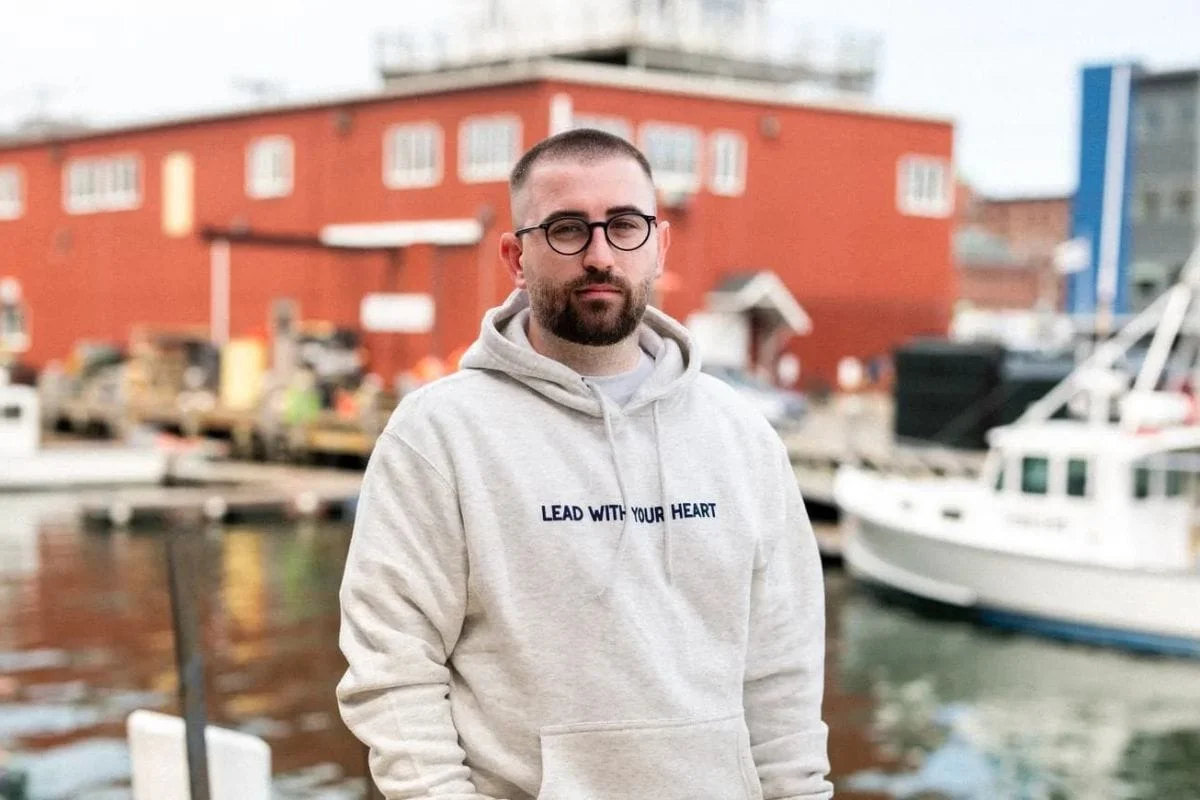
As we hit the three-quarters mark of the 2026 USL League One season, the competitive atmosphere is heating up instead of clarifying. Six clubs are in solid contention for the Players’ Shield, while several others eye playoff spots, making this period critical for all teams involved. Notably, even those planning for 2027 are making strategic moves. The increasing intensity of competition reflects a broader trend in the league, where ambitions are rising and stakes are high.
Portland Hearts of Pine's Elevated Aspirations
One of the biggest headlines from Week 27 emerged from Portland, where the Hearts of Pine made waves with their latest personnel decision. The club appointed Ray Saari, previously the technical director at the El Paso Locomotive, as their new sporting director. This move sends a powerful signal of Portland's ambitions, shaking up perceptions of what can be achieved in USL League One. Under his leadership, the club seems intent on redefining its trajectory.
At just 31 years old, Saari has already made a name for himself in the league. His success in transforming El Paso’s roster—turning a last-place team into a playoff competitor—demonstrates his capability in player recruitment and development. More than just a brief success, his track record suggests a deep understanding of the dynamics within USL markets and how to capitalize on them. His previous objectives included integrating the youth academy's talents into the main squad, and his ability to do so effectively has been a hallmark of his strategy. Under his guidance, the Locomotive is now a viable contender for the Western Conference title, an impressive feat that showcases his aptitude for fostering talent.
Hiring someone from the Championship level to lead a comparable role in League One is not only bold but a clear marker of Portland's intent to elevate their standing. This is more significant than it looks; it reflects a shift in mindset where clubs view themselves as potential players, not just participants. Their ongoing capacity to develop facilities and attract top talent was underscored by their recent stadium announcement. This signals a move beyond simple participation; Portland seeks to assert itself on a grander stage. If you’re working in this space, it’s essential to pay attention to how these changes might influence the competitive balance in future seasons.
Trends Across League One
It’s evident that other clubs in League One are striving to match Portland’s ambition. The transition towards a sporting director model is gaining traction, with Union Omaha initiating this wave last year, soon joined by Forward Madison and the Greenville Triumph. This strategic shift isn't just about a title change; it's indicative of a more sophisticated approach to team management. By adding Saari to their front office, Portland not only enhances their recruitment capabilities but also alleviates some of the pressure on head coach Bobby Murphy, whose job was becoming increasingly precarious. In this environment, effective leadership becomes a determining factor in a team's success.
KIDD TO THE RESCUE 🫡
— USL League One (@USLLeagueOne) September 3, 2026
Matteo Kidd brings @hearts_sc back on level terms! 👀 pic.twitter.com/dBH724IWmn
Within the same week, the Hearts faced a challenging match against Charlotte, a situation that highlighted their inconsistency. These inconsistencies might reflect the growing pains that accompany embracing a new approach. However, they managed a comeback largely due to the performance of Ollie Wright, who, despite struggling with injuries this season, made a significant impact as a substitute, scoring two quick goals that turned the tide in Portland's favor. This moment encapsulates the unpredictability of sports—individual brilliance can often salvage a team's fortunes when strategy alone isn't enough.
Implications for the Future
The ramifications of these developments go beyond just Portland or even the individual clubs involved. If clubs like the Hearts of Pine continue to invest in high-caliber personnel, it could elevate the entire league's competitive integrity. Today’s underdogs may transform into formidable contenders, raising the overall quality of play. This could attract greater fan engagement, media coverage, and even sponsorship opportunities—a win-win situation when viewed from a holistic perspective.
It’s also evident that the focus on strategic management roles can impact how player markets operate. By establishing a solid sporting director framework, clubs might find themselves better positioned to negotiate player acquisitions and develop homegrown talent effectively. As teams continue navigating this strategic shift, we might witness a redefinition of success in USL League One. And yet, one must question whether every club will adapt as quickly as those at the forefront, leading to a potential competitive divide within the league.
So, in this high-stakes environment, every personnel decision—like Portland's hiring of Saari—could have lasting implications, not just for this season but for the future of the league itself. What you have is a panorama of opportunity, underscored by the urgent need for clubs to act decisively and strategically. The future isn't just about winning games; it's about understanding the multifaceted nature of modern football.

Discussion
Sign in to join the discussion.