The USMNT secures a Round of 16 spot with a controlled victory over Bosnia and Herzegovina, even after Folarin Balogun's red card complicates matters.
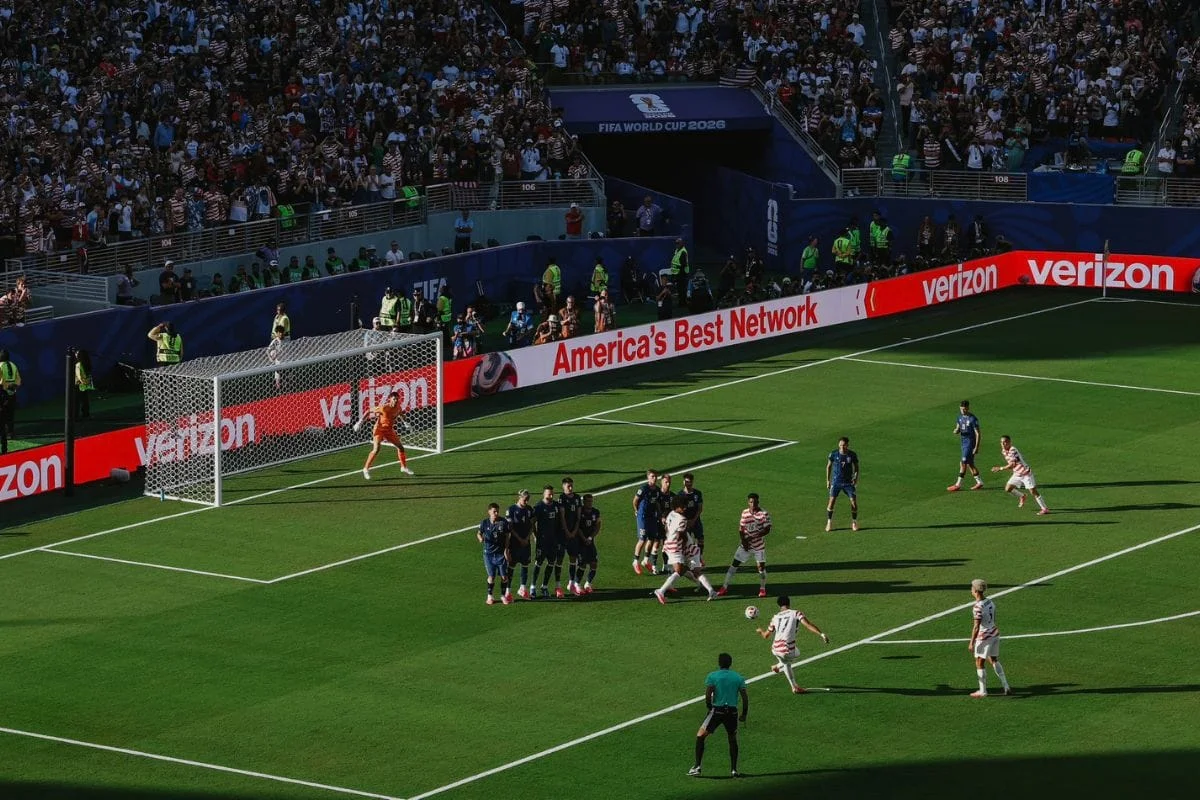
SANTA CLARA, Calif. – In the lead-up to a pivotal Round of 32 match against Bosnia and Herzegovina, U.S. men’s national team coach Mauricio Pochettino underscored the importance of mental fortitude amidst the competitive pressure of the World Cup. Although the team had cruised through their initial matches, winning decisively, the impending clash presented a real test. This isn't just another game; it's a moment where tactics and psychological resilience must align if the team hopes to advance deeper in the tournament.
Initial Performance and Tactical Dynamics
Despite a slower start than their previous games, the U.S. exerted dominance during the first half, controlling the game and maintaining possession against Bosnia's structured 5-3-2 formation. The calculated play was telling of Pochettino’s strategy — employing a shape that confidently pressed the opposition while also ensuring defensive solidity. Star player Christian Pulisic remarked, “I felt control of the game... it still had a good feel to it even though we didn’t get an early goal.” This sentiment reflects a broader understanding of the game, where possession doesn’t just equate to scoring opportunities but also serves as a form of psychological warfare against the opponents. If you’re working in this space, you know control can be a weapon.
A pivotal moment arrived just before halftime when Tyler Adams' clever assist set up Malik Tillman to link up with Folarin Balogun, leading to the game's opening goal. Adams, often seen as the heart of the midfield, played a critical role in transitioning defense into offense smoothly. In the minutes following, the U.S. pushed hard for a second, hinting at a comfortable lead as the second half loomed. The urgency was palpable. Seizing momentum is vital in knockout stages, and this displayed the team’s intent to not just settle but to dominate.
THE @USMNT TAKES THE LEAD 🇺🇸
— FOX Sports (@FOXSports) July 2, 2026
NOW BALOGUN CAN REALLY HIT THE @KingJames SILENCER! pic.twitter.com/4t9LzMjUUG
Red Card Drama and Team Response
However, the match took an unexpected turn when Balogun received a red card, ruling him out of the upcoming Round of 16 encounter with Belgium. Pulisic called the decision “ridiculous,” while Pochettino echoed his sentiments in the post-match breakdown. This development thrust the U.S. into a tense final thirty minutes of the match with only ten players on the field. Such a situation often shifts the momentum in favor of the opposing team, but the psychological strain on the U.S. players often leads to unexpected resilience. After all, being a man down isn't just a physical disadvantage; it tests the mental strength of a squad.
Yet, despite the odds, USMNT captain Tim Ream remained unfazed. While he acknowledged the challenge of closing out the game a man down, he insisted on the team's composure, emphasizing, “It felt really calm and really, really easy and simple for us in that moment because we all were just calm.” In high-pressure scenarios like this, leadership is vital. Ream’s words highlight a crucial facet in sports psychology: maintaining composure can often lead to favorable outcomes, even when the odds aren't in your favor. This isn’t mere bravado; it’s a reflection of learned experience in competitive environments.
He noted that although Bosnia gained some possession, the U.S. maintained solid structure and clarity in their roles, navigating the late stages effectively. (And this is the part most people overlook). Keeping a disciplined formation under pressure helps mitigate risks and can deter the opposing team from exploiting weaknesses. Being organized during a crisis can often thwart overzealous attempts from the opponent. In this match, adhering to tactical discipline may have been their saving grace.
Looking Ahead: Implications for the Tournament
The upcoming match against Belgium is now fraught with uncertainty, especially given Balogun's absence. In knockout tournaments, losing key players can tilt the balance of power significantly. What this means for you, the spectator or analyst, is an opportunity to see how adaptable Pochettino's strategies can be. He’ll need to reconfigure not just the team formation, but perhaps also shift the playstyle to compensate for the loss of Balogun's offensive capabilities.
As the World Cup continues, this match will serve as a case study for both mental agility and team cohesion under adverse conditions. The U.S. squad will have to harness this experience as a learning opportunity, something that can make or break them as they progress through the tournament. The ability to rally together after facing such challenges is often a hallmark of successful teams, and if Pochettino can galvanize his roster, the U.S. might just surprise their critics.
Undoubtedly, the pressure is now amplified, but that may catalyze the U.S. squad into performing at their highest levels yet. In sports, every challenge is also an opportunity for growth and reinvention. It’s a mantra that resonates strongly in high-stakes scenarios like this, where only the sharpest minds and most resilient teams will rise to the occasion.

Discussion
Sign in to join the discussion.