The USMNT's disappointing World Cup exit prompts a reevaluation of expectations and future directions for the team.
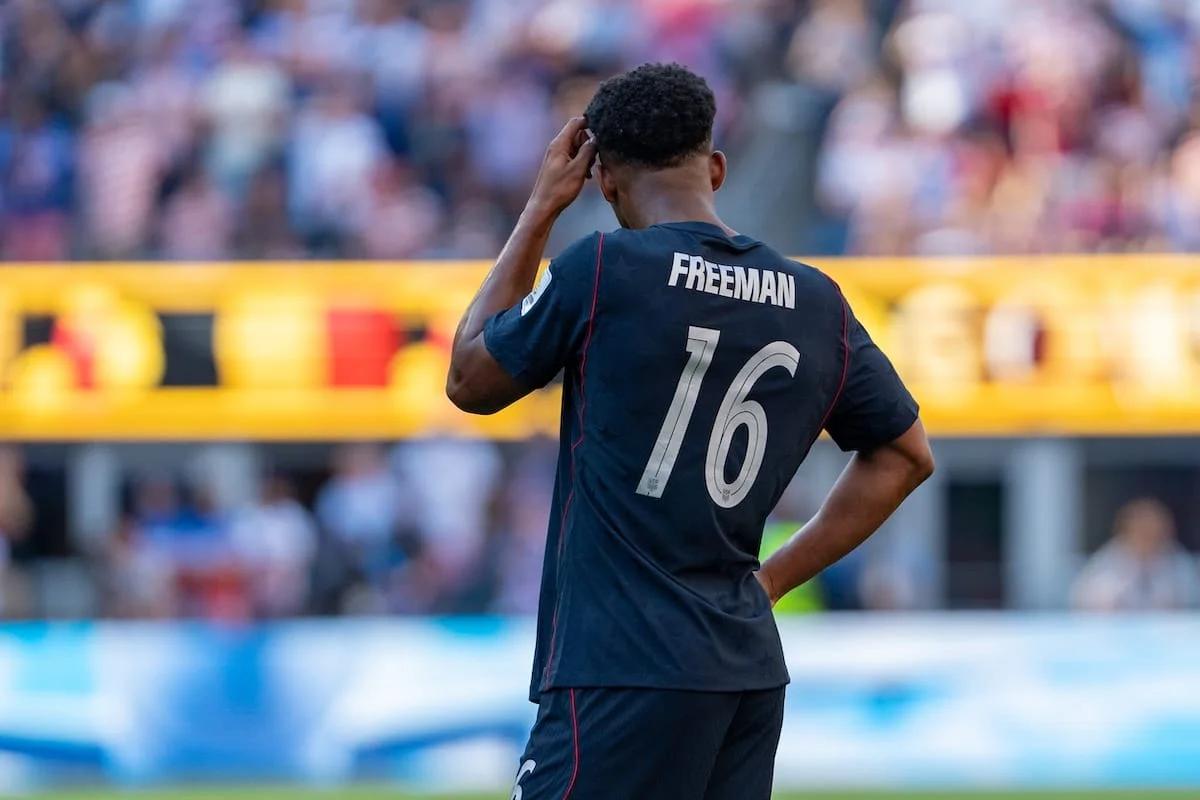
The U.S. men's national team's journey in the World Cup came to an abrupt halt following a 4-1 defeat to Belgium, marking one of the darkest days in its recent history. This match featured critical missteps, including an early goal conceded, a swift response from Belgium after the U.S. equalized, and a significant error by goalkeeper Matt Freese that led to Belgium's third goal. The performance left much to be desired, especially given the high hopes surrounding the home campaign.
As analysts reflect on this setback, Backheeled plans to dissect both the successes and failures of the U.S. team throughout the tournament while also exploring the path ahead for key figures involved.
Expectations vs. Reality
Joe Lowery: The team met expectations.
This situation isn't new for U.S. soccer fans. The U.S. triumphed over teams within reach—Paraguay, Australia, and Bosnia and Herzegovina—but stumbled against Belgium in the Round of 16, a disappointing pattern that has repeated since 2014, where they faced Belgium as well. Though it may feel familiar, the underlying issue remains: the USMNT continues its quest to position itself as a competitive tier-two national team.
Historical Patterns in USMNT Performance
The recent World Cup exit isn't just a standalone incident. It's part of a troubling trend that U.S. soccer has faced for nearly a decade. Since their notable quarter-final run in 2002, the team has often showcased flashes of brilliance only to falter in pivotal matches. The loss to Belgium wasn't the first disappointment of its kind—fans remember the poignant matches against Ghana and Portugal in previous tournaments where opportunities slipped through their fingers. In these critically high-stakes matches, the USMNT has frequently failed to translate their potential into pivotal victories.
Here's the thing: while the U.S. managed to dispatch teams it was expected to beat, their inability to advance against stronger foes keeps them from gaining credibility on the global stage. Each failure reinforces the idea that the national team is stuck in a cycle of mediocrity. The question looms larger with each tournament: how will they gather the momentum needed to turn the tide?
Key Performers and Missteps in the Match
In the recent clash with Belgium, critical individual performances became key talking points. Matt Freese’s gaffe, leading to the third goal, was particularly telling. While goalkeeping errors happen in sports—where split-second decisions can change the tide of a match—this error felt emblematic of the larger problems the squad faces: a lack of composure under pressure. When the stakes are highest, players need to rise to the occasion, but that didn’t happen here.
Moreover, each defensive lapse revealed significant gaps in the team’s tactical readiness. Throughout the match, Belgium was able to exploit the U.S.'s defensive lapses with ease, indicating systemic issues in how the team defends as a unit. As the U.S. strives for better results in international competitions, this defensive frailty cannot continue to be ignored.
The Analyst’s Perspective
Reflecting on the team's performance, Joe Lowery argues that the U.S. largely met expectations. However, this perspective strikes me as a tad generous. Expectations should not merely be set at a level where failure feels acceptable or expected. The trajectory for the U.S. men’s national team must aim higher, particularly since there are promising young talents emerging from the domestic league, Major League Soccer. The baseline needs dynamic recalibration.
Fans and analysts alike must consider what they want from the national team. If mediocrity becomes the benchmark, we risk complacency creeping in. After all, this isn’t just about national pride; it's a matter of the direction American soccer is headed—seeking to evolve from a tier-two competitor into a legitimate threat at the international level.
Looking Ahead: The Path Forward
As analysts reflect on this loss and its implications, one must consider who will guide the team into the future. Key figures, like manager Gregg Berhalter, have to reconsider strategies and lineup decisions. The door to take risks on up-and-coming players should be kept wide open. If done right, the U.S. can cultivate the next generation of players who can change the narrative.
What this means for you, whether you are a fan or a supporter, is that the pipeline for elevating soccer in this country shouldn't just focus on tactical excellence but also on creating a resilient mentality. Youth academies and developmental programs must prioritize not only skill but also mental fortitude, so the next roster isn’t caught in the same cycle of defeat.
Implications for U.S. Soccer's Future
The defeat against Belgium serves as a major inflection point. It poses serious questions about the infrastructure of soccer in America, where investments in youth and club development must yield quicker and more significant results. The public's appetite for success is growing, and the narrative surrounding the U.S. men's national team must eventually shift from one of heartbreak to one of triumph and resilience.
Looking beyond the immediate aftermath, the U.S.'s performance in international soccer needs a refreshing overhaul. It may take years to foster and transition a new crop of talent. Yet success looks bleak if the mindset stays complacent. If U.S. Soccer aims to enhance its reputation, it must adopt a strategy that prioritizes long-term growth over short, fleeting successes.
The lessons learned from this World Cup will resonate through the years to come. Will the U.S. men’s national team rise to the occasion, or will the haunting shadows of defeat continue to loom overhead? Time will tell.

Discussion
Sign in to join the discussion.