The U.S. Open Cup's third round showcased an exciting mix of upsets, rivalries, and improved coverage through CBS's partnership for 2025.
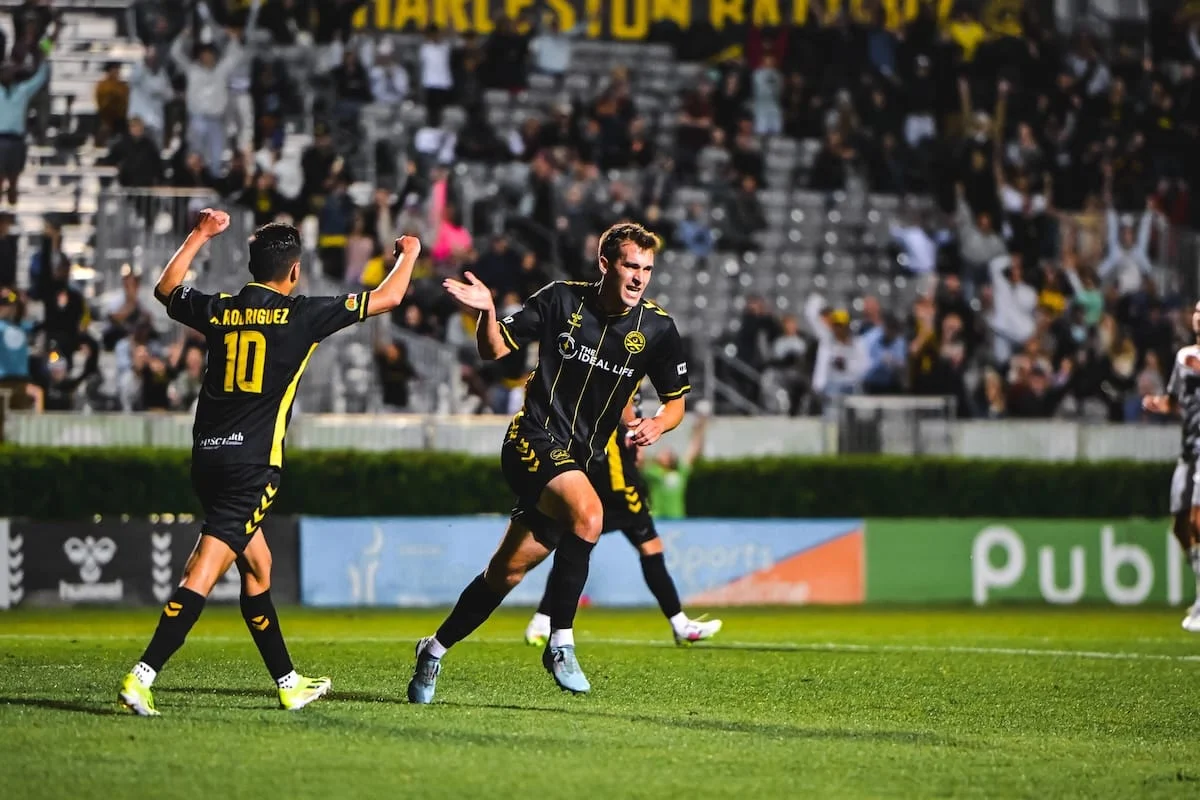
The third round of the U.S. Open Cup stood out for its competitive nature. Remarkably, only one of the 16 matches ended with a difference of more than two goals. Four third-division teams achieved stunning upsets, and another nearly followed suit but fell short in a penalty shootout. This round delivered thrilling hat tricks, intense derby matches, and the introduction of an eye-catching moose mascot.
What defined this round further? Let’s examine some standout moments.
Key Coverage Improvement
While streaming games on platforms like YouTube for teams such as Flatirons FC and Laguna United is convenient, the future prospects of the U.S. Open Cup hinge on enhancing its visibility and profitability. In this context, the tournament’s planned debut on the CBS network in 2025 represents a significant step forward.
The Evolution of the U.S. Open Cup
The U.S. Open Cup, established in 1914, is one of the oldest soccer tournaments in the United States. It's a single-elimination competition that pits teams from various tiers of the American soccer pyramid against each other—from amateur clubs to Major League Soccer (MLS) franchises. Historically, it’s been a platform where lower-tier teams can showcase their talent, and occasionally pull off surprises against bigger, wealthier clubs. The cup has seen incredible upsets, with underdogs changing the narrative of their seasons through gutty performances.
This year's third round exemplified this spirit, showcasing the unpredictable nature of knockout competitions. The emotions run high during these matches, and that's part of what draws fans to the tournament year after year. The dramatic atmosphere, coupled with the intense competition, keeps everyone on edge—players, coaches, and fans alike. It's that unpredictable thrill that keeps the essence of soccer alive in even the smallest towns, where community pride is often tied to the performance of their local team.
Upsets and Excitement
Four teams from lower divisions managing to topple higher-ranked opponents is a testament to the skill and determination present throughout the sport's competitive levels. Upsets like this keep the tournament exhilarating and fan engagement high. When these lower-tier teams advance, they not only shock their opponents but also pique the interest of soccer enthusiasts who relish underdog stories. History shows that these upsets often become the subject of local lore and can inspire communities.
For many smaller clubs, a victory in this cup represents not just glory but also financial relief. Advancing can mean increased ticket sales and heightened sponsorship interest. Thus, when third-division teams rise against their more affluent adversaries, the implications run deeper than on-field results—they can transform the financial future of these community-oriented clubs.
Memorable Moments
This third round was rich with memorable moments, from hat tricks that lit up the scoreboard to vibrant derby matches that had the crowd on their feet. Such displays not only enhance the excitement but also emphasize the tournament’s role as a platform for emerging talent. Young players often seize this opportunity to shine on a broader stage, potentially leading to contracts with larger clubs. It's this chance for exposure that many budding athletes dream of, capturing the imagination of fans who see a reflection of their own aspirations in these games.
And then there was the moose mascot. While some might see mascots as mere entertainment, they actually play a significant role in creating a festival-like atmosphere. They draw families and create engagement, especially for the younger demographic. Mascots can help turn a match day into a memorable community event, further attracting fans who might only come for the fun rather than the soccer itself. That's a win-win for clubs looking to build their local following.
Future Implications and Opportunities
The anticipated move to CBS in 2025 could alter how the tournament is perceived not just in the United States, but also abroad. Historically, soccer in America has competed for visibility against more established sports like football and basketball. An increased presence on a national network could mean more investment, more sponsorships, and an expanded viewer base. This could lead to higher stakes and a more competitive atmosphere that gets younger players excited about the sport.
If you're working in this space, consider how this influences everything from team budgets to community engagement strategies. Clubs will likely streamline their operations, looking for additional revenue channels, especially as fans invest emotionally and financially into their teams. The whole ecosystem—clubs, broadcasters, sponsors—might need to adapt quickly to this changing environment.
However, this visibility can also come with challenges. Ensuring that the games maintain their charm and community spirit amidst a shift to a more commercialized platform could prove difficult. The essence of the tournament—the stories of underdogs, the spirit of competition—must not get lost as the financial stakes get higher.
Final Thoughts
In the landscape of American soccer, the U.S. Open Cup represents both a test of skill and an opportunity for growth. The ups and downs of this tournament reflect not just the nature of the game, but also the passion driving it. The competitive nature of this year's third round was a clear emblem of the tournament's potential. As eyes turn to 2025, it’ll be fascinating to watch how the tournament evolves in the spotlight and how it continues to embrace its underdog narratives even as the stakes rise. There’s much at stake that goes beyond just who wins the cup.

Discussion
Sign in to join the discussion.