In a surprising U.S. Open Cup quarterfinals, MLS teams thrived while DC United made headlines with a coaching shake-up.
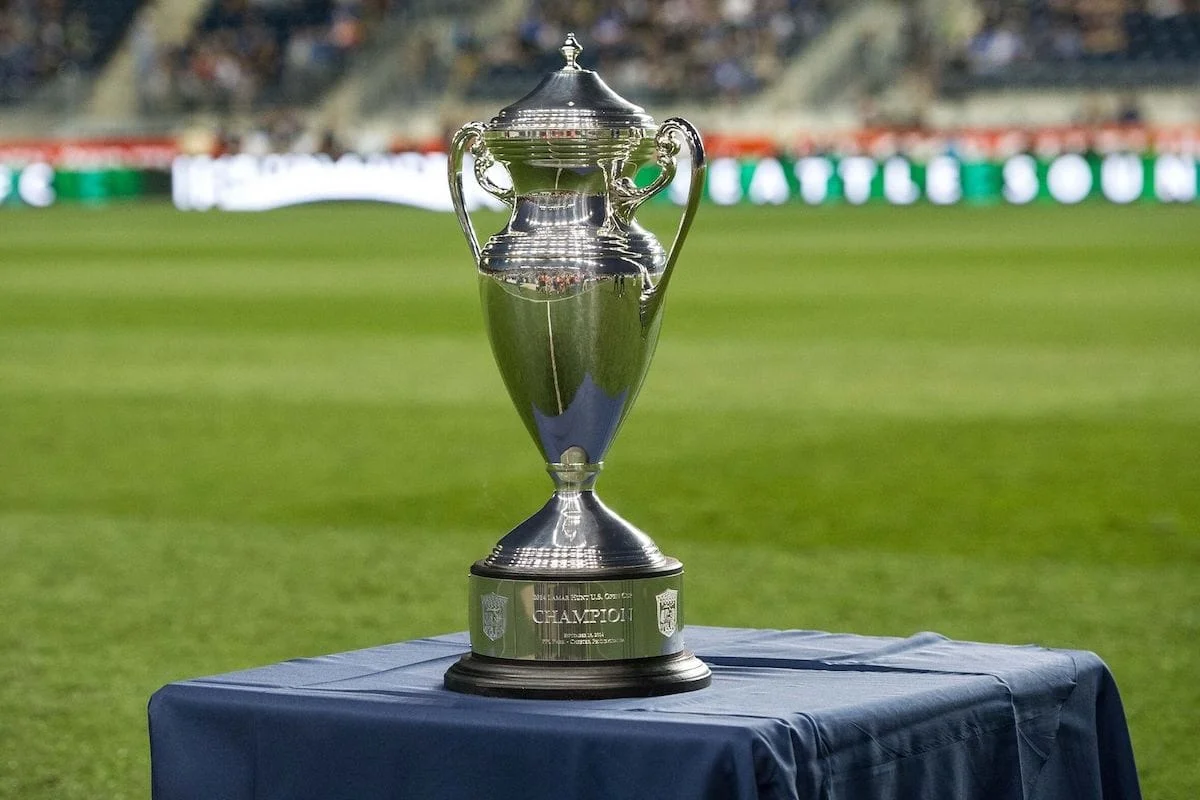
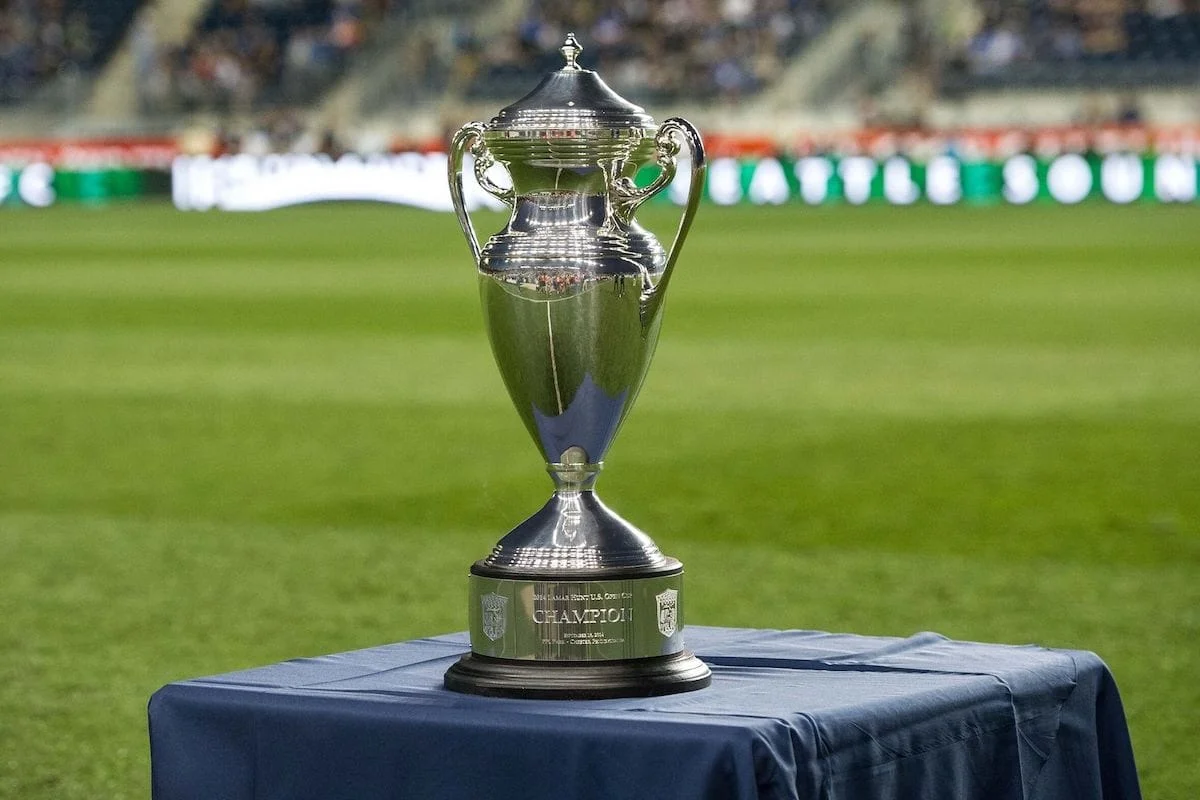
The U.S. Open Cup: A Storied History
The U.S. Open Cup, the country's oldest national soccer competition, has a rich tradition that dates back to 1914. It pits professional and amateur teams against one another, creating opportunities for lower-league clubs to shine on a bigger stage. Yet, this year marked a significant shift; the quarterfinals proceeded without any lower-league teams for the first time in a decade. This absence of underdog stories typically associated with the tournament represents a departure from the norm—one that some fans may not take lightly.
Historically, the tournament has been a fertile ground for surprises, where clubs from amateur leagues have upset professional teams. This year’s quarterfinals, which showcased only Major League Soccer (MLS) clubs, stripped away that excitement. Expectations seemed reset. The power dynamics on display were traditional, with established franchises competing against one another, showcasing the depth of talent in the league but at the cost of the tournament's unpredictability.
Postponed Match: A Rare Interruption
Weather can be a formidable opponent in outdoor sports, and this year's U.S. Open Cup quarterfinals weren't immune. The playoff clash between the New York Red Bulls and the Philadelphia Union was postponed to August 13 due to inclement weather. This is an unusual occurrence in a tournament that thrives on the excitement of live play.
Such postponements can drastically affect team momentum and fan engagement. The delay not only disrupts the scheduled flow of matches but also shifts the focus away from what should be an exhilarating showdown between two competitive teams. Both clubs had prepared extensively, and the expectation of finally clashing was dampened. You have to wonder how this will impact their respective strategies and game-day atmospheres when they eventually meet.
Match Insights: Minnesota United vs. Chicago Fire
In the clash that did proceed, Minnesota United defeated the Chicago Fire decisively, with a final score of 3-1. The Chicago Fire had been riding high with an impressive track record since May, winning seven out of their last ten matches and scoring an impressive average of about 3.7 goals per game. Head coach Gregg Berhalter had reason to be optimistic—until this match, signaling a possible turning point in their season.
This match underlined some stark realities for the Chicago Fire. Despite their recent success, they struggled to apply pressure against Minnesota United, whose performance showcased depth across their roster. It's easy to see why the defeat stung; playoff ambitions can hinge on critical matches like these. The Fire's ability to rebound from this loss will prove telling in their journey through the remainder of the season.
Chicago Fire: A Team in Turmoil
The Chicago Fire's performance has been a rollercoaster recently. They've had moments of brilliance, but consistency continues to elude them. This lack of stability is often what plagues teams attempting to secure a strong postseason position, and head coach Gregg Berhalter faces mounting pressure. The team's sudden drop in form, with a glaring loss against Minnesota, raises serious questions about their capability to remain competitive in the league.
Professionals in the sports community understand that mental fortitude plays a significant role in athletes' performances. After a series of victories, a sudden defeat like this could rattle players' confidence. If you’re part of the Fire’s management team, it’s likely you're evaluating roster adjustments or tactical shifts as a response. Yet, assessing whether to take such drastic measures or allowing the team to settle can often feel like walking a tightrope.
The Implications for MLS and Beyond
The absence of lower-league teams in the quarterfinals of the U.S. Open Cup raises questions regarding the competitive balance within U.S. soccer. Some might argue that eliminating these underdogs diminishes the spirit of the tournament. If the Open Cup transitions into a more predictable structure, segments of the fan base may become disenchanted. This could lead to decreased viewership, impacting advertising revenue and potentially the viability of future tournaments.
For MLS teams, the current atmosphere emphasizes dominance, but it also highlights the gaps between leagues. While marquee players shine in the spotlight of higher-league matches, the absence of scrappy lower-division teams that often defy expectations could ultimately result in a loss of buzz and excitement surrounding the tournament. The challenge remains: how does the U.S. Open Cup stay relevant and engaging for fans who crave freshness? That’s a question that demands innovative thinking from league officials.
If you’re working in this space, reflect on the dynamics of competition. The U.S. Open Cup’s format surely deserves a review. Whether it can adapt and survive amid the evolving soccer culture in the United States, filled with increasing investment and interest, remains to be seen. Ultimately, a balanced approach will be key, where both MLS dominance and lower-league narratives coexist harmoniously, providing a stage that showcases the rich tapestry of American soccer.

Discussion
Sign in to join the discussion.