The Round of 16 in the U.S. Open Cup showcased tactical depth and standout performances, setting the stage for thrilling quarterfinals.
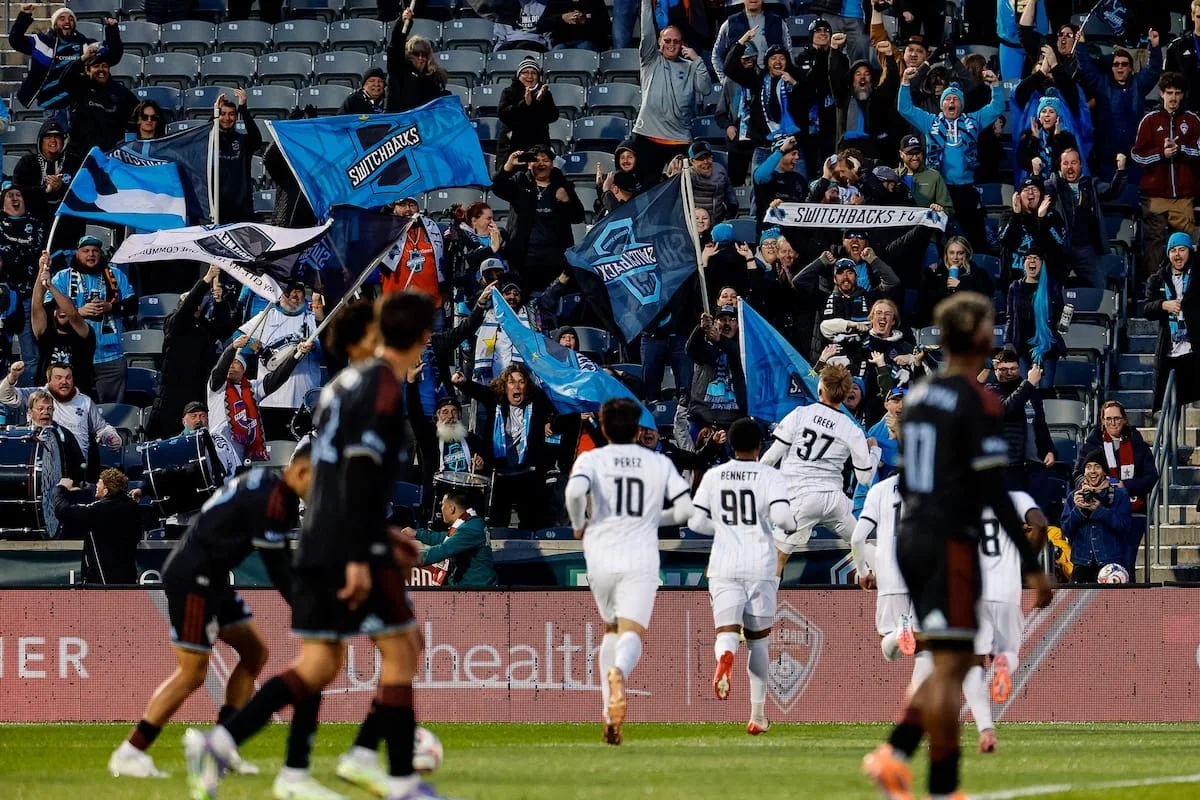
The U.S. Open Cup’s Round of 16 may not have delivered the Cup-set surprises seen in the previous round, but it was anything but lacking in excitement. With critical tactical shifts, impressive player performances, and a whirlwind of fast-paced matches, this stage of the tournament has been exhilarating.
Background on the U.S. Open Cup
The U.S. Open Cup stands as one of the oldest soccer tournaments in the nation, tracing its roots back to 1914. Open to professional and amateur clubs, it embodies the spirit of competition among diverse tiers of soccer in the United States, echoing the ethos of the FA Cup in England. Each year, the tournament showcases dramatic matchups, often putting lower-league teams against professional clubs, thus stirring significant interest and providing opportunities for upstarts to shine.
Historically, the tournament has been a springboard for emerging talent and an arena where underdogs can pull off shocking victories—a theme that perpetuates excitement among fans. While the Round of 16 this year may not have yielded the expected upsets, the matches were nonetheless captivating, filled with intensity and tactical evolution that kept viewers on the edge of their seats. It’s essential to appreciate how different teams prepare for these knockout-style engagements. The sudden-death nature of the Cup means that even small strategic tweaks can make huge differences in outcomes.
Key Tactical Shifts
In this round, certain teams demonstrated adaptive strategies that reflected their coaches’ insights. Teams that previously relied on aggressive attacking play often adopted more defensive stances, focusing strategically on counter-attacks and set pieces. It's intriguing to see how coaches adjust their tactics based on their opponents, reflecting a deeper understanding of the game. The importance of midfield control cannot be overstated. Teams that secured dominance in this area often dictated play, limiting their opponents' chances. For example, the emphasis on transitional play—quick shifts from defense to attack—became a hallmark of several successful teams in this round. This style of play not only generates opportunities but also catches the opposition off-guard.
One standout match showcased how a defensive line anchored by experienced veterans can neutralize rising talent. It highlighted that, perhaps more than in any league format, establishing a sturdy defensive foundation in knockout matches could often lead to victory.
Impressive Player Performances
Individual brilliance often marks pivotal moments in tournament matches, and the Round of 16 was no exception. A few players transcended expectations and sparked interest not only for their performance but for their potential future impact on the sport. For example, a young midfielder, tasked with orchestrating plays, showcased exceptional vision and passing accuracy. That’s a skill set many teams crave, especially when the stakes are high. Such performances, particularly at this stage of the tournament, can elevate a player's profile significantly. Scouts, coaches, and analysts from higher leagues invariably take notice. The precedent exists—many professional players have seen their careers evolve dramatically due to standout Cup performances.
And then there’s the importance of leadership on the pitch. Seasoned players often show their worth in moments of pressure. A captain's ability to instill confidence can rally a team around a common goal, keeping spirits high even in challenging scenarios. If you're working in this space, remember that both talent and leadership often propel teams forward.
Fast-Paced Matches and Fan Engagement
The matches themselves were a masterclass in maintaining tempo. Fans witnessed end-to-end action, characterized by quick transitions and relentless pressure from both teams. This fast pace is essential for keeping spectators engaged and amplifying the tournament's prestige. Teams prioritize not just winning, but doing so in a manner that gets supporters off their seats. A critical factor here is fan involvement. The emotional investment from supporters goes beyond mere attendance; it permeates the network of soccer culture in America. For clubs participating in the Cup, particularly those from smaller leagues, the potential for heightened fan engagement during knockout stages can lead to significant opportunities for local businesses, sponsorships, and overall community support.
Implications of the Round of 16
What this means for you, the observer or participant in the soccer space, is multifaceted. The strategic insights gained through this round are instructive for teams and coaches aiming for success in similar tournaments. It emphasizes the importance of flexibility and adaptation in tactics—a must for navigating high-stakes matches. Moreover, as teams progress to the quarterfinals, the pressure amplifies. The performances displayed in the Round of 16 will inform future match preparations. It’s a cat-and-mouse game of tactics, where anticipating opponents’ moves provides a crucial edge. The champions of this year’s U.S. Open Cup will likely be those who can harness the lessons learned and adapt through each round, making for an intriguing climax to the tournament.
For complete coverage of American soccer,

Discussion
Sign in to join the discussion.